An Obscure Portrait
Von Meyer, Mati
Herausgegeben von Pindar Press
English
571 Seiten
2009
ISBN 9781915837226
PDF
Buy at Bajalibros Latam
🇺🇸
 Bajalibros Latam
🇺🇸
Shop besuchen →
Bajalibros Latam
🇺🇸
Shop besuchen →
 LORANCHBOOKSTORE
🇺🇸
Shop besuchen →
LORANCHBOOKSTORE
🇺🇸
Shop besuchen →
 Ebooks Librería Carlos Fuentes
🇲🇽
Shop besuchen →
Ebooks Librería Carlos Fuentes
🇲🇽
Shop besuchen →
 ebooks libreria española
🇪🇨
Shop besuchen →
ebooks libreria española
🇪🇨
Shop besuchen →
 Bajalibros Argentina
🇦🇷
Shop besuchen →
Bajalibros Argentina
🇦🇷
Shop besuchen →
 Alpha Books
🇨🇴
Shop besuchen →
Alpha Books
🇨🇴
Shop besuchen →
 Sanborns Ebooks
🇲🇽
Shop besuchen →
Sanborns Ebooks
🇲🇽
Shop besuchen →
 ebooks Libreria del GAM
🇨🇱
Shop besuchen →
ebooks Libreria del GAM
🇨🇱
Shop besuchen →
 Bookshop Uruguay
🇺🇾
Shop besuchen →
Bookshop Uruguay
🇺🇾
Shop besuchen →
 Ebooks Yenny - El Ateneo
🇦🇷
Shop besuchen →
Ebooks Yenny - El Ateneo
🇦🇷
Shop besuchen →
 Crisol Ebooks
🇵🇪
Shop besuchen →
Crisol Ebooks
🇵🇪
Shop besuchen →
Verfügbar in 11 Buchhandlungen
Bajalibros Latam
🇺🇸
Shop besuchen →
LORANCHBOOKSTORE
🇺🇸
Shop besuchen →
Ebooks Librería Carlos Fuentes
🇲🇽
Shop besuchen →
ebooks libreria española
🇪🇨
Shop besuchen →
Bajalibros Argentina
🇦🇷
Shop besuchen →
Alpha Books
🇨🇴
Shop besuchen →
Sanborns Ebooks
🇲🇽
Shop besuchen →
ebooks Libreria del GAM
🇨🇱
Shop besuchen →
Bookshop Uruguay
🇺🇾
Shop besuchen →
Ebooks Yenny - El Ateneo
🇦🇷
Shop besuchen →
Crisol Ebooks
🇵🇪
Shop besuchen →
Über dieses Buch
Recent discussions on Byzantine art have been dominated by the question of representing realia. Among these, however, the way works of art reflect the daily life of women have not received much space or attention. The present book studies various images representing women's status and her performative tasks, and their significance from the fourth century to the fall of the Empire, through analysis of archaeological evidence and works of art. It addresses a wide range of questions, some pertaining both to pictorial traditions and to their late antique antecedents, others peculiar to changing and evolving Byzantine culture and mentality. The first chapter deals with the imagery of childbearing, starting with conception and concluding with the care given to the new born and the mother. The second chapter investigates motherhood imagery (breastfeeding, child care, and child-mother intimacy) and the portrayal of women as caretakers and managers of the household (preparing food, bringing water, carding and weaving, or working side by side with their husbands). The third chapter is dedicated to representations of women holding positions outside the house: midwives, maidservants, wet nurses, and mourners. Images of women engaged in disreputable occupations-dancers, musicians, prostitutes and courtesans - complete this chapter. The fourth chapter discusses images of women portrayed in the metaphorical margins - looking out from the gynaikon (the women's apartments), or at their private toilette; it also deals with representations of women who stray from the societal mainstream - concubines; adulteresses, women consenting to sexual acts or being coerced into them - considered symbolically as belonging to the margins of society. The book concludes with a discussion of the degree to which the visual material reliably reflects reality and changing attitudes toward women between Late Antiquity and late Byzantium; and further, to what extent it reveals embedded perceptions and conceptions of women, constructed by canonic regulations and imperial law, popular beliefs and accepted customs. The book aims to lift a veil from known and less known works of art and to present the rarely described picture of the daily life of women in Byzantine art over a very wide chronological span of time, in an effort to expand our knowledge of women in Byzantium and their realia.
Kategorien
- Sprache
- English
Teilen
Das könnte dir auch gefallen
Gothic Art
Charles, Victoria, Carl, Klaus H.
Die Entwicklungsgeschichte der Stile in der bildenden Kunst. Erster Band.: Vom Altertum bis zur Gotik
Cohn-Wiener, Ernst
The Lady and The Unicorn
Lyall, Sutherland

Romanesque Art
Charles, Victoria, Carl, Klaus
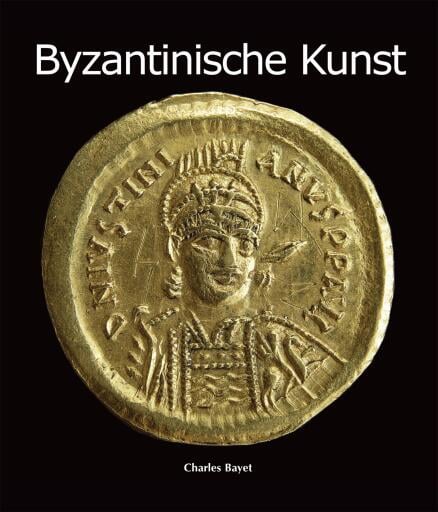
Byzantinische Kunst
Bayet, Charles