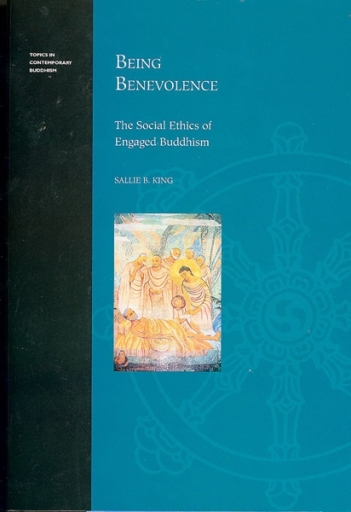
Being Benevolence
Von King, Sallie B.
Herausgegeben von University of Hawaii Press
English
313 Seiten
2005
ISBN 9780824861629
PDF
Buy at Catademic
🇺🇸
 Catademic
🇺🇸
Shop besuchen →
Catademic
🇺🇸
Shop besuchen →
 Bajalibros Latam
🇺🇸
Shop besuchen →
Bajalibros Latam
🇺🇸
Shop besuchen →
 Association of University Presses - Tienda FILUNI
🇺🇸
Shop besuchen →
Association of University Presses - Tienda FILUNI
🇺🇸
Shop besuchen →
 Ebooks Librería Antártica
🇨🇱
Shop besuchen →
Ebooks Librería Antártica
🇨🇱
Shop besuchen →
 Ebooks Agustin
🇪🇸
Shop besuchen →
Ebooks Agustin
🇪🇸
Shop besuchen →
 Bajalibros Argentina
🇦🇷
Shop besuchen →
Bajalibros Argentina
🇦🇷
Shop besuchen →
 Sanborns Ebooks
🇲🇽
Shop besuchen →
Sanborns Ebooks
🇲🇽
Shop besuchen →
 ebooks Libreria del GAM
🇨🇱
Shop besuchen →
ebooks Libreria del GAM
🇨🇱
Shop besuchen →
 Bookshop Uruguay
🇺🇾
Shop besuchen →
Bookshop Uruguay
🇺🇾
Shop besuchen →
 ebookskitapenas
🇬🇹
Shop besuchen →
ebookskitapenas
🇬🇹
Shop besuchen →
 Ebooks Yenny - El Ateneo
🇦🇷
Shop besuchen →
Ebooks Yenny - El Ateneo
🇦🇷
Shop besuchen →
 Crisol Ebooks
🇵🇪
Shop besuchen →
Crisol Ebooks
🇵🇪
Shop besuchen →
Verfügbar in 12 Buchhandlungen
Catademic
🇺🇸
Shop besuchen →
Bajalibros Latam
🇺🇸
Shop besuchen →
Association of University Presses - Tienda FILUNI
🇺🇸
Shop besuchen →
Ebooks Librería Antártica
🇨🇱
Shop besuchen →
Ebooks Agustin
🇪🇸
Shop besuchen →
Bajalibros Argentina
🇦🇷
Shop besuchen →
Sanborns Ebooks
🇲🇽
Shop besuchen →
ebooks Libreria del GAM
🇨🇱
Shop besuchen →
Bookshop Uruguay
🇺🇾
Shop besuchen →
ebookskitapenas
🇬🇹
Shop besuchen →
Ebooks Yenny - El Ateneo
🇦🇷
Shop besuchen →
Crisol Ebooks
🇵🇪
Shop besuchen →
Über dieses Buch
<p>Engaged Buddhism is the contemporary movement of nonviolent social and political activism found throughout the Buddhist world. Its ethical theory sees the world in terms of cause and effect, a view that discourages its practitioners from becoming adversaries, blaming or condemning the other. Its leaders make some of the most important contributions in the Buddhist world to thinking about issues in political theory, human rights, nonviolence, and social justice. <br><br><i>Being Benevolence</i> provides for the first time a rich overview of the main ideas and arguments of prominent Engaged Buddhist thinkers and activists on a variety of questions: What kind of political system should modern Asian states have? What are the pros and cons of Western "liberalism"? Can Buddhism support the idea of human rights? Can there ever be a nonviolent nation-state? <br><br>It identifies the roots of Engaged Buddhist social ethics in such traditional Buddhist concepts and practices as interdependence, compassion, and meditation, and shows how these are applied to particular social and political issues. It illuminates the movement’s metaphysical views on the individual and society and goes on to examine how Engaged Buddhists respond to fundamental questions in political theory concerning the proper balance between the individual and society. The second half of the volume focuses on applied social-political issues: human rights, nonviolence, and social justice.</p>
Kategorien
- Sprache
- English
Teilen