
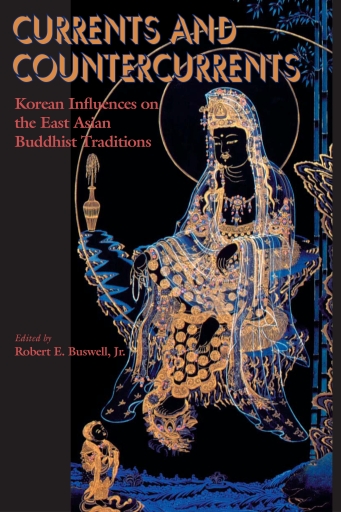
Currents and Countercurrents
Herausgegeben von University of Hawaii Press
English
306 Seiten
2005
ISBN 9780824874490
PDF
Buy at Association of University Presses - Tienda FILUNI
🇺🇸
 Catademic
🇺🇸
Shop besuchen →
Catademic
🇺🇸
Shop besuchen →
 Bajalibros Latam
🇺🇸
Shop besuchen →
Bajalibros Latam
🇺🇸
Shop besuchen →
 Association of University Presses - Tienda FILUNI
🇺🇸
Shop besuchen →
Association of University Presses - Tienda FILUNI
🇺🇸
Shop besuchen →
 Ebooks Librería Antártica
🇨🇱
Shop besuchen →
Ebooks Librería Antártica
🇨🇱
Shop besuchen →
 Ebooks Agustin
🇪🇸
Shop besuchen →
Ebooks Agustin
🇪🇸
Shop besuchen →
 Bajalibros Argentina
🇦🇷
Shop besuchen →
Bajalibros Argentina
🇦🇷
Shop besuchen →
 Sanborns Ebooks
🇲🇽
Shop besuchen →
Sanborns Ebooks
🇲🇽
Shop besuchen →
 ebooks Libreria del GAM
🇨🇱
Shop besuchen →
ebooks Libreria del GAM
🇨🇱
Shop besuchen →
 Bookshop Uruguay
🇺🇾
Shop besuchen →
Bookshop Uruguay
🇺🇾
Shop besuchen →
 ebookskitapenas
🇬🇹
Shop besuchen →
ebookskitapenas
🇬🇹
Shop besuchen →
 Ebooks Yenny - El Ateneo
🇦🇷
Shop besuchen →
Ebooks Yenny - El Ateneo
🇦🇷
Shop besuchen →
 Crisol Ebooks
🇵🇪
Shop besuchen →
Crisol Ebooks
🇵🇪
Shop besuchen →
Verfügbar in 12 Buchhandlungen
Catademic
🇺🇸
Shop besuchen →
Bajalibros Latam
🇺🇸
Shop besuchen →
Association of University Presses - Tienda FILUNI
🇺🇸
Shop besuchen →
Ebooks Librería Antártica
🇨🇱
Shop besuchen →
Ebooks Agustin
🇪🇸
Shop besuchen →
Bajalibros Argentina
🇦🇷
Shop besuchen →
Sanborns Ebooks
🇲🇽
Shop besuchen →
ebooks Libreria del GAM
🇨🇱
Shop besuchen →
Bookshop Uruguay
🇺🇾
Shop besuchen →
ebookskitapenas
🇬🇹
Shop besuchen →
Ebooks Yenny - El Ateneo
🇦🇷
Shop besuchen →
Crisol Ebooks
🇵🇪
Shop besuchen →
Über dieses Buch
<p>Soon after the inception of Buddhism in the sixth or fifth century B.C.E., the Buddha ordered his small band of monks to wander forth for the welfare and weal of the many, a command that initiated one of the greatest missionary movements in world religious history. But this account of a monolithic missionary movement spreading outward from the Buddhist homeland of India across the Asian continent is just one part of the story. The case of East Asian Buddhism suggests another tale, one in which the dominant eastward current of diffusion creates important eddies, or countercurrents, of influence that redound back toward the center. These countercurrents have had significant, even profound, impact on neighboring traditions. <br><br>In East Asia perhaps the most important countercurrent of influence came from Korea, the focus of this volume. Chapters examine the role played by the Paekche kingdom in introducing Buddhist material culture (especially monastic architecture) to Japan and the impact of Korean scholiasts on the creation of several distinctive features that eventually came to characterize Japanese Pure Land Buddhism. The lives and intellectual importance of the monks Sungnang (fl. ca. 490) and Wonch’uk (613–696) are reassessed, bringing to light their role in the development of early intellectual schools within Chinese Buddhism. Later chapters discuss the influential teachings of the semi-legendary master Musang (684–762), the patriarch of two of the earliest schools of Ch’an; the work of a dozen or so Korean monks active in the Chinese T’ient’ai tradition; and the Huiyin monastery.</p>
Kategorien
- Sprache
- English
Teilen
Das könnte dir auch gefallen
Buddhismus, Geister und Glauben im Königreich Thailand
Stevens, Wilfried

Temples to the Buddha and the Gods
Meegama, Sujatha Arundathi

The Secrets of Buddhist Meditation
Greene, Eric M.

Perfumed Sleeves and Tangled Hair
Pandey, Rajyashree

The Dhammapada, Vol. 4
Osho

The Non-Christian Cross
Parsons, John Denham