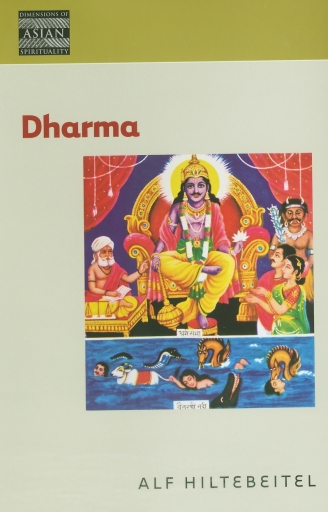
Dharma
Von Hiltebeitel, Alf
Herausgegeben von University of Hawaii Press
English
209 Seiten
2010
ISBN 9780824860639
PDF
Buy at Association of University Presses - Tienda FILUNI
🇺🇸
 Catademic
🇺🇸
Shop besuchen →
Catademic
🇺🇸
Shop besuchen →
 Bajalibros Latam
🇺🇸
Shop besuchen →
Bajalibros Latam
🇺🇸
Shop besuchen →
 Association of University Presses - Tienda FILUNI
🇺🇸
Shop besuchen →
Association of University Presses - Tienda FILUNI
🇺🇸
Shop besuchen →
 Ebooks Librería Antártica
🇨🇱
Shop besuchen →
Ebooks Librería Antártica
🇨🇱
Shop besuchen →
 Ebooks Agustin
🇪🇸
Shop besuchen →
Ebooks Agustin
🇪🇸
Shop besuchen →
 Bajalibros Argentina
🇦🇷
Shop besuchen →
Bajalibros Argentina
🇦🇷
Shop besuchen →
 Sanborns Ebooks
🇲🇽
Shop besuchen →
Sanborns Ebooks
🇲🇽
Shop besuchen →
 ebooks Libreria del GAM
🇨🇱
Shop besuchen →
ebooks Libreria del GAM
🇨🇱
Shop besuchen →
 Bookshop Uruguay
🇺🇾
Shop besuchen →
Bookshop Uruguay
🇺🇾
Shop besuchen →
 ebookskitapenas
🇬🇹
Shop besuchen →
ebookskitapenas
🇬🇹
Shop besuchen →
 Ebooks Yenny - El Ateneo
🇦🇷
Shop besuchen →
Ebooks Yenny - El Ateneo
🇦🇷
Shop besuchen →
 Crisol Ebooks
🇵🇪
Shop besuchen →
Crisol Ebooks
🇵🇪
Shop besuchen →
Verfügbar in 12 Buchhandlungen
Catademic
🇺🇸
Shop besuchen →
Bajalibros Latam
🇺🇸
Shop besuchen →
Association of University Presses - Tienda FILUNI
🇺🇸
Shop besuchen →
Ebooks Librería Antártica
🇨🇱
Shop besuchen →
Ebooks Agustin
🇪🇸
Shop besuchen →
Bajalibros Argentina
🇦🇷
Shop besuchen →
Sanborns Ebooks
🇲🇽
Shop besuchen →
ebooks Libreria del GAM
🇨🇱
Shop besuchen →
Bookshop Uruguay
🇺🇾
Shop besuchen →
ebookskitapenas
🇬🇹
Shop besuchen →
Ebooks Yenny - El Ateneo
🇦🇷
Shop besuchen →
Crisol Ebooks
🇵🇪
Shop besuchen →
Über dieses Buch
<p>This introductory work proposes a fresh take on the ancient Indian concept <i>dharma.</i> By unfolding how, even in its developments as "law" and custom, <i>dharma</i> participates in nuanced and multifarious understandings of the term that play out in India’s great spiritual traditions, the book offers insights into the innovative character of both Hindu and Buddhist usages of the concept. Alf Hiltebeitel, in an original approach to early Buddhist usages, explores how the Buddhist canon brought out different meanings of <i>dharma.</i> This is followed by an exposition of the hypothesis that most, if not all, of the Hindu law books flowered after the third-century BC emperor Asoka, a Buddhist, made dharma the guiding principle of an entire realm and culture. A discussion built around the author’s expertise on the Sanskrit epics shows how their narratives amplified the new Brahmanical norms and brought out the ethical dilemmas and spiritual teachings that arose from inquiry into <i>dharma.</i><br><br>A chapter on the tale of the <i>Life of the Buddha</i> considers the relation between <i>dharma,</i> <i>moksa/nirvana</i> (salvation), and <i>bhakti</i> (devotion). Here, Hiltebeitel ties together a thread that runs through the entire story, which is the Buddha’s tendency to present <i>dharma</i> as a kind of civil discourse. In this sense, <i>dharma</i> challenges people to think critically or at least more creatively about their ethical principles and the foundations of their own spiritual values. A closing chapter on <i>dharma</i> in the twenty-first century explores its new cachet in an era of globalization, its diasporic implications, its openings into American popular culture, some implications for women, and the questions it is still raising for modern India.</p>
Kategorien
- Sprache
- English
Teilen