
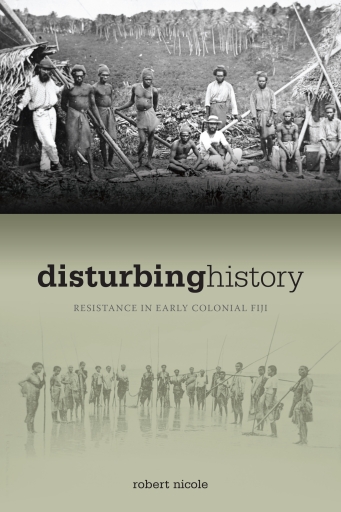
Disturbing History
Von Nicole, Robert
Herausgegeben von University of Hawaii Press
English
311 Seiten
2010
ISBN 9780824860981
PDF
Buy at Bajalibros Latam
🇺🇸
 Catademic
🇺🇸
Shop besuchen →
Catademic
🇺🇸
Shop besuchen →
 Bajalibros Latam
🇺🇸
Shop besuchen →
Bajalibros Latam
🇺🇸
Shop besuchen →
 Association of University Presses - Tienda FILUNI
🇺🇸
Shop besuchen →
Association of University Presses - Tienda FILUNI
🇺🇸
Shop besuchen →
 Ebooks Librería Antártica
🇨🇱
Shop besuchen →
Ebooks Librería Antártica
🇨🇱
Shop besuchen →
 Ebooks Agustin
🇪🇸
Shop besuchen →
Ebooks Agustin
🇪🇸
Shop besuchen →
 Bajalibros Argentina
🇦🇷
Shop besuchen →
Bajalibros Argentina
🇦🇷
Shop besuchen →
 Sanborns Ebooks
🇲🇽
Shop besuchen →
Sanborns Ebooks
🇲🇽
Shop besuchen →
 ebooks Libreria del GAM
🇨🇱
Shop besuchen →
ebooks Libreria del GAM
🇨🇱
Shop besuchen →
 Bookshop Uruguay
🇺🇾
Shop besuchen →
Bookshop Uruguay
🇺🇾
Shop besuchen →
 ebookskitapenas
🇬🇹
Shop besuchen →
ebookskitapenas
🇬🇹
Shop besuchen →
 Ebooks Yenny - El Ateneo
🇦🇷
Shop besuchen →
Ebooks Yenny - El Ateneo
🇦🇷
Shop besuchen →
 Crisol Ebooks
🇵🇪
Shop besuchen →
Crisol Ebooks
🇵🇪
Shop besuchen →
Verfügbar in 12 Buchhandlungen
Catademic
🇺🇸
Shop besuchen →
Bajalibros Latam
🇺🇸
Shop besuchen →
Association of University Presses - Tienda FILUNI
🇺🇸
Shop besuchen →
Ebooks Librería Antártica
🇨🇱
Shop besuchen →
Ebooks Agustin
🇪🇸
Shop besuchen →
Bajalibros Argentina
🇦🇷
Shop besuchen →
Sanborns Ebooks
🇲🇽
Shop besuchen →
ebooks Libreria del GAM
🇨🇱
Shop besuchen →
Bookshop Uruguay
🇺🇾
Shop besuchen →
ebookskitapenas
🇬🇹
Shop besuchen →
Ebooks Yenny - El Ateneo
🇦🇷
Shop besuchen →
Crisol Ebooks
🇵🇪
Shop besuchen →
Über dieses Buch
<p><i>Disturbing History</i> focuses on Fiji’s people and their agency in responding to and engaging the multifarious forms of authority and power that were manifest in the colony from 1874 to 1914. By concentrating on the lives of ordinary Fijians, the book presents alternate ways of reconstructing the island’s past. Couched in the traditions of social, subaltern, and people’s histories, the study is an excavation of a large mass of material that tells the often moving stories of lives that have largely been overlooked by historians. These challenge conventional historical accounts that tend to celebrate the nation, represent Fiji’s colonial experience as ordered and peaceful, or British tutelage as benevolent. In its contribution to postcolonial theory, <i>Disturbing History</i> reveals resistance as a constant but partial and untidy mix of other constituents such as collaboration, consent, appropriation, and opportunism, which together form the colonial landscape. In turn, colonialism in Fiji is shown as a force shaped in struggle, fractured and often fragile, with a presence and application in the daily lives of people that was often chaotic, imperfect, and susceptible to subversion.<br><br>The book divides the period of study into two broad categories: organized resistance and everyday forms of resistance. The first examines the Colo War (1876), the Tuka Movement (1878–1891), the Seaqaqa War (1894), the Movement for Federation with New Zealand (1901–1903), the Viti Kabani Movement (1913–1917), and the various organized labor protests. The second half of the book addresses resistance manifested in the villages and plantations, including tax and land boycotts, violence and retributive justice, avoidance protest, petitioning, and women’s resistance. In their entirety these forms reveal a complex web of relationships between powerful and subordinate groups and among subordinate groups themselves. The author concludes that resistance cannot be framed as a totality but as a multilayered and multidimensional reality. In the wake of Fiji’s present volatile climate, this book will aid readers in understanding the continuities and disjunctures in Fiji’s interethnic and intraethnic relations.</p>
- Sprache
- English
Teilen
Das könnte dir auch gefallen
La Législation de Napoléon-le-Grand: Agriculture
Vergani, Paol

Die Geschichte der Dampfmaschine bis James Watt
Geitel, Max
1815
O'Donnell, Pacho
Los días contados
Graham Yooll, Andrew

Mémoires sur la cour de Louis Napoléon et sur la Hollande
Garnier-Audiger, Athanase

Der Prozeß gegen den Bankier August Sternberg wegen Sittlichkeitsverbrechens
Friedländer, Hugo