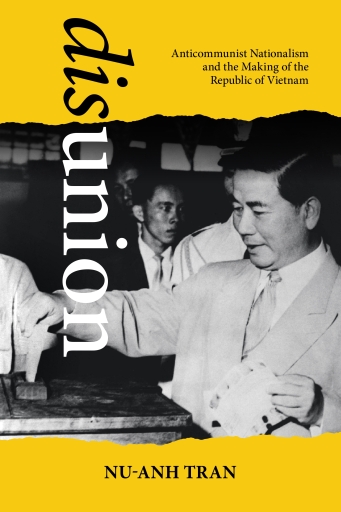
Disunion
Von Tran, Nu-Anh
Herausgegeben von University of Hawaii Press
English
2022
ISBN 9780824891640
eBook
Buy at Bajalibros Latam
🇺🇸
 Catademic
🇺🇸
Shop besuchen →
Catademic
🇺🇸
Shop besuchen →
 Bajalibros Latam
🇺🇸
Shop besuchen →
Bajalibros Latam
🇺🇸
Shop besuchen →
 Association of University Presses - Tienda FILUNI
🇺🇸
Shop besuchen →
Association of University Presses - Tienda FILUNI
🇺🇸
Shop besuchen →
 Ebooks Librería Antártica
🇨🇱
Shop besuchen →
Ebooks Librería Antártica
🇨🇱
Shop besuchen →
 Ebooks Agustin
🇪🇸
Shop besuchen →
Ebooks Agustin
🇪🇸
Shop besuchen →
 Bajalibros Argentina
🇦🇷
Shop besuchen →
Bajalibros Argentina
🇦🇷
Shop besuchen →
 Sanborns Ebooks
🇲🇽
Shop besuchen →
Sanborns Ebooks
🇲🇽
Shop besuchen →
 ebooks Libreria del GAM
🇨🇱
Shop besuchen →
ebooks Libreria del GAM
🇨🇱
Shop besuchen →
 Bookshop Uruguay
🇺🇾
Shop besuchen →
Bookshop Uruguay
🇺🇾
Shop besuchen →
 ebookskitapenas
🇬🇹
Shop besuchen →
ebookskitapenas
🇬🇹
Shop besuchen →
 Ebooks Yenny - El Ateneo
🇦🇷
Shop besuchen →
Ebooks Yenny - El Ateneo
🇦🇷
Shop besuchen →
 Crisol Ebooks
🇵🇪
Shop besuchen →
Crisol Ebooks
🇵🇪
Shop besuchen →
Verfügbar in 12 Buchhandlungen
Catademic
🇺🇸
Shop besuchen →
Bajalibros Latam
🇺🇸
Shop besuchen →
Association of University Presses - Tienda FILUNI
🇺🇸
Shop besuchen →
Ebooks Librería Antártica
🇨🇱
Shop besuchen →
Ebooks Agustin
🇪🇸
Shop besuchen →
Bajalibros Argentina
🇦🇷
Shop besuchen →
Sanborns Ebooks
🇲🇽
Shop besuchen →
ebooks Libreria del GAM
🇨🇱
Shop besuchen →
Bookshop Uruguay
🇺🇾
Shop besuchen →
ebookskitapenas
🇬🇹
Shop besuchen →
Ebooks Yenny - El Ateneo
🇦🇷
Shop besuchen →
Crisol Ebooks
🇵🇪
Shop besuchen →
Über dieses Buch
<p>Since the 1950s, the domestic politics of the Republic of Vietnam (RVN) has puzzled outside observers. To these external analysts, the American-backed regime seemed to be plagued by instability and factionalism for no apparent reason. Their bewilderment, however, has obscured a deep and complex history. In <i>Disunion,</i> Nu-Anh Tran shows how factional struggles in the Saigon-based republic reflected serious disagreements about political ideas at a pivotal moment in the lead-up to the Vietnam War.<br><br>The book traces the emergence of Vietnam’s anticommunist nationalists back to the struggle for independence and explores how their alliances were tested and then broken during the rule of the RVN’s first president, Ngô Đình Diệm. The anticommunists rejected the authoritarianism and ideology of the Vietnamese communists and dreamed of building an independent, democratic government that would unite the Vietnamese nation. The RVN was supposed to be the fulfillment of this long-cherished vision. But discord soon erupted among the anticommunists. Politicians fiercely debated to what extent the government should be democratic and which groups had a legitimate place in political life. The unresolved disagreements provoked intense and continuous infighting that troubled the RVN throughout the regime’s existence. Ultimately, the animosity undermined any possibility of realizing the anticommunists’ shared vision for the country.<br><br>Based on previously neglected primary sources and extensive research in Vietnamese and American archives,<i> Disunion </i>paints a rich and sensitive portrayal of leaders and activists in the RVN. Anticommunist nationalists were deeply devoted to their homeland and inspired by forward-looking visions, but they were also hobbled by their failure to live up to their lofty ideals. By examining these historical figures on their own terms, the book offers a fresh perspective on the political history of South Vietnam that has remained misunderstood to this day.</p>
- Sprache
- English
Teilen