
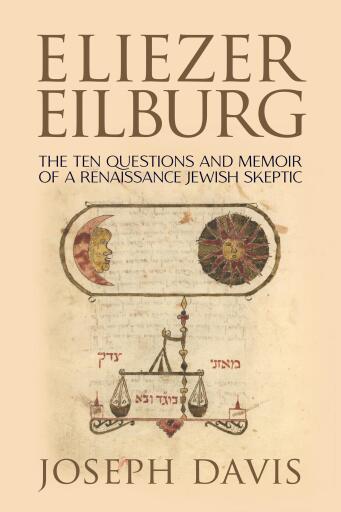
Eliezer Eilburg
Von Davis, Joseph
Herausgegeben von Hebrew Union College Press
English
403 Seiten
2020
ISBN 9780878201686
PDF
Buy at Bajalibros Latam
🇺🇸
 Catademic
🇺🇸
Shop besuchen →
Catademic
🇺🇸
Shop besuchen →
 Bajalibros Latam
🇺🇸
Shop besuchen →
Bajalibros Latam
🇺🇸
Shop besuchen →
 LORANCHBOOKSTORE
🇺🇸
Shop besuchen →
LORANCHBOOKSTORE
🇺🇸
Shop besuchen →
 Ebooks Librería Carlos Fuentes
🇲🇽
Shop besuchen →
Ebooks Librería Carlos Fuentes
🇲🇽
Shop besuchen →
 ebooks libreria española
🇪🇨
Shop besuchen →
ebooks libreria española
🇪🇨
Shop besuchen →
 Bajalibros Argentina
🇦🇷
Shop besuchen →
Bajalibros Argentina
🇦🇷
Shop besuchen →
 Alpha Books
🇨🇴
Shop besuchen →
Alpha Books
🇨🇴
Shop besuchen →
 Sanborns Ebooks
🇲🇽
Shop besuchen →
Sanborns Ebooks
🇲🇽
Shop besuchen →
 ebooks Libreria del GAM
🇨🇱
Shop besuchen →
ebooks Libreria del GAM
🇨🇱
Shop besuchen →
 Bookshop Uruguay
🇺🇾
Shop besuchen →
Bookshop Uruguay
🇺🇾
Shop besuchen →
 Ebooks Yenny - El Ateneo
🇦🇷
Shop besuchen →
Ebooks Yenny - El Ateneo
🇦🇷
Shop besuchen →
 Crisol Ebooks
🇵🇪
Shop besuchen →
Crisol Ebooks
🇵🇪
Shop besuchen →
Verfügbar in 12 Buchhandlungen
Catademic
🇺🇸
Shop besuchen →
Bajalibros Latam
🇺🇸
Shop besuchen →
LORANCHBOOKSTORE
🇺🇸
Shop besuchen →
Ebooks Librería Carlos Fuentes
🇲🇽
Shop besuchen →
ebooks libreria española
🇪🇨
Shop besuchen →
Bajalibros Argentina
🇦🇷
Shop besuchen →
Alpha Books
🇨🇴
Shop besuchen →
Sanborns Ebooks
🇲🇽
Shop besuchen →
ebooks Libreria del GAM
🇨🇱
Shop besuchen →
Bookshop Uruguay
🇺🇾
Shop besuchen →
Ebooks Yenny - El Ateneo
🇦🇷
Shop besuchen →
Crisol Ebooks
🇵🇪
Shop besuchen →
Über dieses Buch
Before the Enlightenment, before Spinoza had rejected traditional beliefs about the Bible, came the humanistic skeptics of the Renaissance. Alongside oft-cited Christian thinkers, Eliezer Eilburg now takes his rightful place. Comparable in view to Christopher Marlowe or Noel Journet, Eilburg perhaps uniquely represents the possibilities of Jewish skepticism in his day. Eliezer Eilburg: The Ten Questions and Memoir of a Renaissance Jewish Skeptic makes available for the first time a bilingual edition of two key works by the Jewish rationalist skeptic, kabbalist, and memoirist, Eliezer Eilburg. The Ten Questions-addressed to the Maharal of Prague and two of his colleagues-is one of the most radical statements of Jewish skepticism authored during the sixteenth century. Published here in its entirety, this text is especially remarkable for its critical approach to the Bible, foreshadowing later intellectual trends. Although many of his opinions were considered heretical by Jewish authorities, Eilburg argued that his doubts were innocent, and that there was room within Judaism for his skepticism. He presented himself as a penitent whose eyes had been opened through the study of medicine and philosophy and who had merited angelic visions and kabbalistic dreams. The second text, Eilburg's experimental memoir, is one of the very first modern Jewish efforts at autobiography. Put together from many smaller pieces, this patchwork of brag and bile is a unique document of sixteenth-century Jewish life. It is a testimony, if not to the "emergence of the individual" in this period, then at least to the emergence of new Jewish ways of imagining and writing about the self. Eilburg was an enigmatic man, a unique and as yet mostly unstudied Jewish thinker. Though his works are directed to audiences of Jews, and argue for the improvement of Judaism, this volume will appeal to historians and scholars of intellectual traditions both in and outside of Jewish studies. /Interview with Joseph Davis- Ten Questions of Eliezer Eilburg
Kategorien
- Sprache
- English
Teilen
Das könnte dir auch gefallen

Libraries in the Medieval and Renaissance Periods
Clark, John Willis

Amerigo. Die Geschichte eines historischen Irrtums
Zweig, Stefan

A Connecticut Yankee in King Arthur's Court (Complete Edition)
Twain, Mark
Die Brüder Massimi und andere Geschichten aus italienischen Chroniken
Stendhal
Memoirs of the Dukes of Urbino
Dennistoun, James
The Renaissance in Italy (Complete 7 Volumes)
Symonds, John Addington