
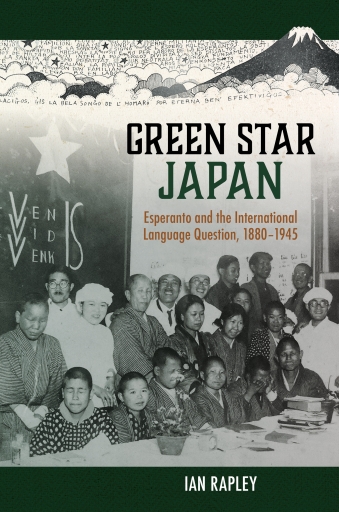
Green Star Japan
Von Rapley, Ian
Herausgegeben von University of Hawaii Press
English
2024
ISBN 9780824898809
eBook
Buy at Catademic
🇺🇸
 Catademic
🇺🇸
Shop besuchen →
Catademic
🇺🇸
Shop besuchen →
 Bajalibros Latam
🇺🇸
Shop besuchen →
Bajalibros Latam
🇺🇸
Shop besuchen →
 Association of University Presses - Tienda FILUNI
🇺🇸
Shop besuchen →
Association of University Presses - Tienda FILUNI
🇺🇸
Shop besuchen →
 Ebooks Librería Antártica
🇨🇱
Shop besuchen →
Ebooks Librería Antártica
🇨🇱
Shop besuchen →
 Ebooks Agustin
🇪🇸
Shop besuchen →
Ebooks Agustin
🇪🇸
Shop besuchen →
 Bajalibros Argentina
🇦🇷
Shop besuchen →
Bajalibros Argentina
🇦🇷
Shop besuchen →
 Sanborns Ebooks
🇲🇽
Shop besuchen →
Sanborns Ebooks
🇲🇽
Shop besuchen →
 ebooks Libreria del GAM
🇨🇱
Shop besuchen →
ebooks Libreria del GAM
🇨🇱
Shop besuchen →
 Bookshop Uruguay
🇺🇾
Shop besuchen →
Bookshop Uruguay
🇺🇾
Shop besuchen →
 ebookskitapenas
🇬🇹
Shop besuchen →
ebookskitapenas
🇬🇹
Shop besuchen →
 Ebooks Yenny - El Ateneo
🇦🇷
Shop besuchen →
Ebooks Yenny - El Ateneo
🇦🇷
Shop besuchen →
 Crisol Ebooks
🇵🇪
Shop besuchen →
Crisol Ebooks
🇵🇪
Shop besuchen →
Verfügbar in 12 Buchhandlungen
Catademic
🇺🇸
Shop besuchen →
Bajalibros Latam
🇺🇸
Shop besuchen →
Association of University Presses - Tienda FILUNI
🇺🇸
Shop besuchen →
Ebooks Librería Antártica
🇨🇱
Shop besuchen →
Ebooks Agustin
🇪🇸
Shop besuchen →
Bajalibros Argentina
🇦🇷
Shop besuchen →
Sanborns Ebooks
🇲🇽
Shop besuchen →
ebooks Libreria del GAM
🇨🇱
Shop besuchen →
Bookshop Uruguay
🇺🇾
Shop besuchen →
ebookskitapenas
🇬🇹
Shop besuchen →
Ebooks Yenny - El Ateneo
🇦🇷
Shop besuchen →
Crisol Ebooks
🇵🇪
Shop besuchen →
Über dieses Buch
<p>During the first half of the twentieth century, a wide range of the Japanese populace was drawn to the possibilities offered by the proposed language known as Esperanto. Created in the nineteenth century by a European, L. L. Zamenhof, Esperanto seemed an unlikely candidate for Japanese interest, but to its advocates it was a potential solution to the international language problem: the question of how to effectively communicate across linguistic and national borders. Using the history of Japanese Esperanto up to the end of the Second World War, Ian Rapley argues that scholars of modern Asia should pay serious attention to both Esperanto and the international language problem.<br><br> One key aspect of Japan’s modernization was its growing contact with the wider world, not just with the West but with countries across the globe. The increasingly complex networks of these transnational interactions involved trade, diplomacy, and intellectual flows; each contact required the identification of some common medium of communication. Esperanto was designed to be as easy to learn as possible, with a simple grammar and system of word formation, and none of the idiosyncrasies and irregularities that accumulate over time in unplanned national or regional languages. This appealed to many Japanese who discovered that to be modern meant being a student of one or more foreign languages.<br><br> Japanese Esperantists were active at the League of Nations, in the Soviet Union, and in villages across Japan. They wrote essays and letters, traveled internationally, built friendships, taught classes, and made radio broadcasts. Closely examining the efforts to spread a language designed to bring peoples of the world together, <i>Green Star Japan </i>offers a new approach to understanding Japan’s global modernity. This book will interest scholars and students of modern Japanese and East Asian history, and especially within the vibrant fields of transnational/global history and the history of language.</p>
Kategorien
- Sprache
- English
Teilen
Das könnte dir auch gefallen

The Chaos and Cosmos of Kurosawa Tokiko
Nenzi, Laura

Tour of Duty
Vaporis, Constantine Nomikos

Shimaji Mokurai and the Reconception of Religion and the Secular in Modern Japan
Krämer, Hans Martin

Hashimura Togo, Domestic Scientist
Irvin, Wallace

A Diplomat in Japan- The Inner History of the Critical Years in the Evolution of Japan
Satow, Ernest Mason
Literature for the Masses
Reichert, James