Howard Carter
Von Graves, Carl
Herausgegeben von Egypt Exploration Society
English
106 Seiten
2024
ISBN 9780856982637
PDF
Buy at Bajalibros Latam
🇺🇸
 Bajalibros Latam
🇺🇸
Shop besuchen →
Bajalibros Latam
🇺🇸
Shop besuchen →
 LORANCHBOOKSTORE
🇺🇸
Shop besuchen →
LORANCHBOOKSTORE
🇺🇸
Shop besuchen →
 Ebooks Librería Carlos Fuentes
🇲🇽
Shop besuchen →
Ebooks Librería Carlos Fuentes
🇲🇽
Shop besuchen →
 ebooks libreria española
🇪🇨
Shop besuchen →
ebooks libreria española
🇪🇨
Shop besuchen →
 Bajalibros Argentina
🇦🇷
Shop besuchen →
Bajalibros Argentina
🇦🇷
Shop besuchen →
 Alpha Books
🇨🇴
Shop besuchen →
Alpha Books
🇨🇴
Shop besuchen →
 Sanborns Ebooks
🇲🇽
Shop besuchen →
Sanborns Ebooks
🇲🇽
Shop besuchen →
 ebooks Libreria del GAM
🇨🇱
Shop besuchen →
ebooks Libreria del GAM
🇨🇱
Shop besuchen →
 Bookshop Uruguay
🇺🇾
Shop besuchen →
Bookshop Uruguay
🇺🇾
Shop besuchen →
 Ebooks Yenny - El Ateneo
🇦🇷
Shop besuchen →
Ebooks Yenny - El Ateneo
🇦🇷
Shop besuchen →
 Crisol Ebooks
🇵🇪
Shop besuchen →
Crisol Ebooks
🇵🇪
Shop besuchen →
Verfügbar in 11 Buchhandlungen
Bajalibros Latam
🇺🇸
Shop besuchen →
LORANCHBOOKSTORE
🇺🇸
Shop besuchen →
Ebooks Librería Carlos Fuentes
🇲🇽
Shop besuchen →
ebooks libreria española
🇪🇨
Shop besuchen →
Bajalibros Argentina
🇦🇷
Shop besuchen →
Alpha Books
🇨🇴
Shop besuchen →
Sanborns Ebooks
🇲🇽
Shop besuchen →
ebooks Libreria del GAM
🇨🇱
Shop besuchen →
Bookshop Uruguay
🇺🇾
Shop besuchen →
Ebooks Yenny - El Ateneo
🇦🇷
Shop besuchen →
Crisol Ebooks
🇵🇪
Shop besuchen →
Über dieses Buch
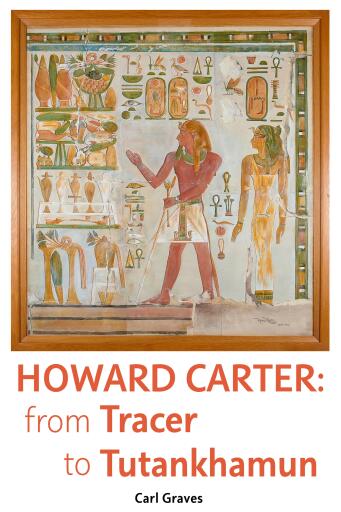
Howard Carter is often remembered for the discovery of the tomb of Tutankhamun in 1922, but his legacy in the field of Egyptology spreads far further than this single discovery. The youngest of 11 children, Howard Carter began his career as an artist working for the Egypt Exploration Fund in 1891. Despite his young age, he pioneered new techniques in archaeological recording and used those skills to create beautiful, accurate images of tomb and temple scenes preserved on the monuments of Egypt. Carter's largest known watercolour painting (EES.ART.224) is a full- scale reproduction of a scene from the shrine to Anubis in Hatshepsut's temple at Deir el-Bahari. This work, actually comprised of six pieces of paper combined together to create the scene, is testament to his expertise as an artist. It shows Tuthmosis I and his mother Senseneb before an offering table laden with food dedicated to the god Anubis, a jackal-headed god of embalming. Very little is known about queen Senseneb, and this scene represents one of the few known depictions of her. By shining a spotlight on the painting, Carl Graves provides context to it while uncovering the life and legacy of one of Egypt's greatest archaeologists.
Kategorien
- Sprache
- English
Teilen