
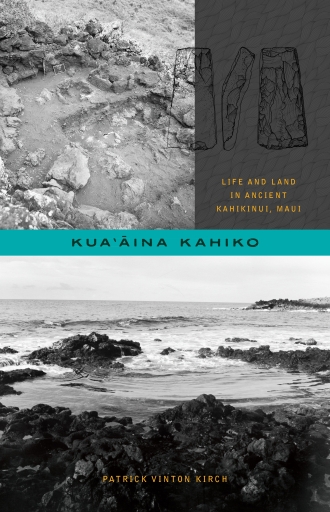
Kua‘āina Kahiko
Herausgegeben von University of Hawaii Press
English
2014
ISBN 9780824850227
eBook
Buy at Bajalibros Latam
🇺🇸
 Catademic
🇺🇸
Shop besuchen →
Catademic
🇺🇸
Shop besuchen →
 Bajalibros Latam
🇺🇸
Shop besuchen →
Bajalibros Latam
🇺🇸
Shop besuchen →
 Association of University Presses - Tienda FILUNI
🇺🇸
Shop besuchen →
Association of University Presses - Tienda FILUNI
🇺🇸
Shop besuchen →
 Ebooks Librería Antártica
🇨🇱
Shop besuchen →
Ebooks Librería Antártica
🇨🇱
Shop besuchen →
 Ebooks Agustin
🇪🇸
Shop besuchen →
Ebooks Agustin
🇪🇸
Shop besuchen →
 Bajalibros Argentina
🇦🇷
Shop besuchen →
Bajalibros Argentina
🇦🇷
Shop besuchen →
 Sanborns Ebooks
🇲🇽
Shop besuchen →
Sanborns Ebooks
🇲🇽
Shop besuchen →
 ebooks Libreria del GAM
🇨🇱
Shop besuchen →
ebooks Libreria del GAM
🇨🇱
Shop besuchen →
 Bookshop Uruguay
🇺🇾
Shop besuchen →
Bookshop Uruguay
🇺🇾
Shop besuchen →
 ebookskitapenas
🇬🇹
Shop besuchen →
ebookskitapenas
🇬🇹
Shop besuchen →
 Ebooks Yenny - El Ateneo
🇦🇷
Shop besuchen →
Ebooks Yenny - El Ateneo
🇦🇷
Shop besuchen →
 Crisol Ebooks
🇵🇪
Shop besuchen →
Crisol Ebooks
🇵🇪
Shop besuchen →
Verfügbar in 12 Buchhandlungen
Catademic
🇺🇸
Shop besuchen →
Bajalibros Latam
🇺🇸
Shop besuchen →
Association of University Presses - Tienda FILUNI
🇺🇸
Shop besuchen →
Ebooks Librería Antártica
🇨🇱
Shop besuchen →
Ebooks Agustin
🇪🇸
Shop besuchen →
Bajalibros Argentina
🇦🇷
Shop besuchen →
Sanborns Ebooks
🇲🇽
Shop besuchen →
ebooks Libreria del GAM
🇨🇱
Shop besuchen →
Bookshop Uruguay
🇺🇾
Shop besuchen →
ebookskitapenas
🇬🇹
Shop besuchen →
Ebooks Yenny - El Ateneo
🇦🇷
Shop besuchen →
Crisol Ebooks
🇵🇪
Shop besuchen →
Über dieses Buch
<p>In early Hawai‘i, <i>kua‘āina</i> were the hinterlands inhabited by nā kua‘āina, or country folk. Often these were dry, less desirable areas where much skill and hard work were required to wrest a living from the lava landscapes. The ancient district of Kahikinui in southeast Maui is such a <i>kua‘āina</i> and remains one of the largest tracts of undeveloped land in the islands. Named after Tahiti Nui in the Polynesian homeland, its thousands of pristine acres house a treasure trove of archaeological ruins—witnesses to the generations of Hawaiians who made this land their home before it was abandoned in the late nineteenth century. <br><br><i>Kua‘āina Kahiko</i> follows <i>kama‘āina</i> archaeologist Patrick Vinton Kirch on a seventeen-year-long research odyssey to rediscover the ancient patterns of life and land in Kahikinui. Through painstaking archaeological survey and detailed excavations, Kirch and his students uncovered thousands of previously undocumented ruins of houses, trails, agricultural fields, shrines, and temples. Kirch describes how, beginning in the early fifteenth century, Native Hawaiians began to permanently inhabit the rocky lands along the vast southern slope of Haleakalā. Eventually these planters transformed Kahikinui into what has been called the greatest continuous zone of dryland planting in the Hawaiian Islands. He relates other fascinating aspects of life in ancient Kahikinui, such as the capture and use of winter rains to create small wet-farming zones, and decodes the complex system of <i>heiau</i>, showing how the orientations of different temple sites provide clues to the gods to whom they were dedicated. <br><br>Kirch examines the sweeping changes that transformed Kahikinui after European contact, including how some <i>maka'āinana</i> families fell victim to unscrupulous land agents. But also woven throughout the book is the saga of Ka ‘Ohana o Kahikinui, a grass-roots group of Native Hawaiians who successfully struggled to regain access to these Hawaiian lands. Rich with anecdotes of Kirch’s personal experiences over years of field research, <i>Kua'āina Kahiko</i> takes the reader into the little-known world of the ancient <i>kua‘āina</i>.</p>
Kategorien
- Sprache
- English
Teilen
Das könnte dir auch gefallen

History of the United States
Beard, Mary R., Beard, Charles A.

History of the United States During Thomas Jefferson's Administrations
Adams, Henry

Religiöse Erweckung und irdische Macht
Coché, Stefanie

Perseguidores y perseguidos
Acha, Omar, Barragán, Ivonne, Casola, Natalia

Salas, negocios y públicos de cine en Latinoamérica
Kriger, Clara, Poppe, Nicolás

Die Große Depression: Lektionen aus wirtschaftlichem Zusammenbruch
Weiß, Luisa