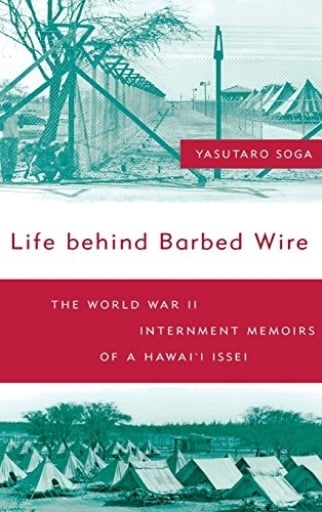
Life Behind Barbed Wire
Von Soga, Yasutaro
Herausgegeben von University of Hawaii Press
English
2016
ISBN 9780824872311
eBook
Buy at Catademic
🇺🇸
 Catademic
🇺🇸
Shop besuchen →
Catademic
🇺🇸
Shop besuchen →
 Bajalibros Latam
🇺🇸
Shop besuchen →
Bajalibros Latam
🇺🇸
Shop besuchen →
 Association of University Presses - Tienda FILUNI
🇺🇸
Shop besuchen →
Association of University Presses - Tienda FILUNI
🇺🇸
Shop besuchen →
 Ebooks Librería Antártica
🇨🇱
Shop besuchen →
Ebooks Librería Antártica
🇨🇱
Shop besuchen →
 Ebooks Agustin
🇪🇸
Shop besuchen →
Ebooks Agustin
🇪🇸
Shop besuchen →
 Bajalibros Argentina
🇦🇷
Shop besuchen →
Bajalibros Argentina
🇦🇷
Shop besuchen →
 Sanborns Ebooks
🇲🇽
Shop besuchen →
Sanborns Ebooks
🇲🇽
Shop besuchen →
 ebooks Libreria del GAM
🇨🇱
Shop besuchen →
ebooks Libreria del GAM
🇨🇱
Shop besuchen →
 Bookshop Uruguay
🇺🇾
Shop besuchen →
Bookshop Uruguay
🇺🇾
Shop besuchen →
 ebookskitapenas
🇬🇹
Shop besuchen →
ebookskitapenas
🇬🇹
Shop besuchen →
 Ebooks Yenny - El Ateneo
🇦🇷
Shop besuchen →
Ebooks Yenny - El Ateneo
🇦🇷
Shop besuchen →
 Crisol Ebooks
🇵🇪
Shop besuchen →
Crisol Ebooks
🇵🇪
Shop besuchen →
Verfügbar in 12 Buchhandlungen
Catademic
🇺🇸
Shop besuchen →
Bajalibros Latam
🇺🇸
Shop besuchen →
Association of University Presses - Tienda FILUNI
🇺🇸
Shop besuchen →
Ebooks Librería Antártica
🇨🇱
Shop besuchen →
Ebooks Agustin
🇪🇸
Shop besuchen →
Bajalibros Argentina
🇦🇷
Shop besuchen →
Sanborns Ebooks
🇲🇽
Shop besuchen →
ebooks Libreria del GAM
🇨🇱
Shop besuchen →
Bookshop Uruguay
🇺🇾
Shop besuchen →
ebookskitapenas
🇬🇹
Shop besuchen →
Ebooks Yenny - El Ateneo
🇦🇷
Shop besuchen →
Crisol Ebooks
🇵🇪
Shop besuchen →
Über dieses Buch
<p>Yasutaro Soga’s <i>Life behind Barbed Wire</i> (<i>Tessaku seikatsu</i>) is an exceptional firsthand account of the incarceration of a Hawai‘i Japanese during World War II. On the evening of the attack on Pearl Harbor, Soga, the editor of a Japanese-language newspaper, was arrested along with several hundred other prominent Issei ( Japanese immigrants) in Hawai‘i. After being held for six months on Sand Island, Soga was transferred to an Army camp in Lordsburg, New Mexico, and later to a Justice Department camp in Santa Fe. He would spend just under four years in custody before returning to Hawai‘i in the months following the end of the war.<br><br>Most of what has been written about the detention of Japanese Americans focuses on the Nisei experience of mass internment on the West Coast—largely because of the language barrier immigrant writers faced. This translation, therefore, presents us with a rare Issei voice on internment, and Soga’s opinions challenge many commonly held assumptions about Japanese Americans during the war regarding race relations, patriotism, and loyalty.<br><br>Although centered on one man’s experience, <i>Life behind Barbed Wire</i> benefits greatly from Soga’s trained eye and instincts as a professional journalist, which allowed him to paint a larger picture of those extraordinary times and his place in them. The Introduction by Tetsuden Kashima of the University of Washington and Foreword by Dennis Ogawa of the University of Hawai‘i provide context for Soga’s recollections based on the most current scholarship on the Japanese American internment.</p>
Kategorien
- Sprache
- English
Teilen