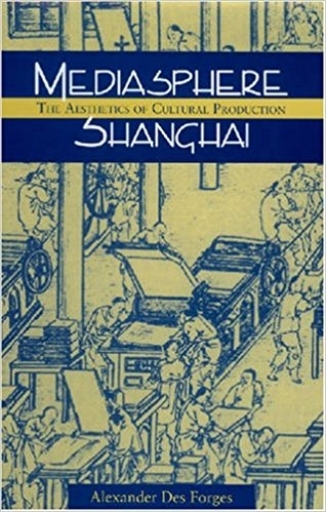
Mediasphere Shanghai
Herausgegeben von University of Hawaii Press
English
297 Seiten
2007
ISBN 9780824863562
PDF
Buy at Association of University Presses - Tienda FILUNI
🇺🇸
 Catademic
🇺🇸
Shop besuchen →
Catademic
🇺🇸
Shop besuchen →
 Bajalibros Latam
🇺🇸
Shop besuchen →
Bajalibros Latam
🇺🇸
Shop besuchen →
 Association of University Presses - Tienda FILUNI
🇺🇸
Shop besuchen →
Association of University Presses - Tienda FILUNI
🇺🇸
Shop besuchen →
 Ebooks Librería Antártica
🇨🇱
Shop besuchen →
Ebooks Librería Antártica
🇨🇱
Shop besuchen →
 Ebooks Agustin
🇪🇸
Shop besuchen →
Ebooks Agustin
🇪🇸
Shop besuchen →
 Bajalibros Argentina
🇦🇷
Shop besuchen →
Bajalibros Argentina
🇦🇷
Shop besuchen →
 Sanborns Ebooks
🇲🇽
Shop besuchen →
Sanborns Ebooks
🇲🇽
Shop besuchen →
 ebooks Libreria del GAM
🇨🇱
Shop besuchen →
ebooks Libreria del GAM
🇨🇱
Shop besuchen →
 Bookshop Uruguay
🇺🇾
Shop besuchen →
Bookshop Uruguay
🇺🇾
Shop besuchen →
 ebookskitapenas
🇬🇹
Shop besuchen →
ebookskitapenas
🇬🇹
Shop besuchen →
 Ebooks Yenny - El Ateneo
🇦🇷
Shop besuchen →
Ebooks Yenny - El Ateneo
🇦🇷
Shop besuchen →
 Crisol Ebooks
🇵🇪
Shop besuchen →
Crisol Ebooks
🇵🇪
Shop besuchen →
Verfügbar in 12 Buchhandlungen
Catademic
🇺🇸
Shop besuchen →
Bajalibros Latam
🇺🇸
Shop besuchen →
Association of University Presses - Tienda FILUNI
🇺🇸
Shop besuchen →
Ebooks Librería Antártica
🇨🇱
Shop besuchen →
Ebooks Agustin
🇪🇸
Shop besuchen →
Bajalibros Argentina
🇦🇷
Shop besuchen →
Sanborns Ebooks
🇲🇽
Shop besuchen →
ebooks Libreria del GAM
🇨🇱
Shop besuchen →
Bookshop Uruguay
🇺🇾
Shop besuchen →
ebookskitapenas
🇬🇹
Shop besuchen →
Ebooks Yenny - El Ateneo
🇦🇷
Shop besuchen →
Crisol Ebooks
🇵🇪
Shop besuchen →
Über dieses Buch
<p>For many in the west, "Shanghai" is the quintessence of East Asian modernity, whether imagined as glamorous and exciting, corrupt and impoverishing, or a complex synthesis of the good, the bad, and the ugly. How did "Shanghai" acquire this power? How did people across China and around the world decide that Shanghai was the place to be?<br><br><i>Mediasphere Shanghai</i> shows that partial answers to these questions can be found in the products of Shanghai’s media industry, particularly the Shanghai novel, a distinctive genre of installment fiction that flourished from the 1890s to the 1930s. Shanghai fiction supplies not only the imagery that we now consider typical of the city, but, more significantly, the very forms—simultaneity, interruption, mediation, and excess—through which the city could be experienced as a business and entertainment center and envisioned as the focal point of a mediasphere with a national and transnational reach. Existing paradigms of Shanghai culture tend to explain the city’s distinctive literary and visual aesthetics as merely the predictable result of economic conditions and social processes, but Alexander Des Forges maintains that literary texts and other cultural products themselves constitute a conceptual foundation for the city and construct the frame through which it is perceived.<br><br>Working from a wide range of sources, including installment fiction, photographs, lithographic illustrations, maps, guidebooks, newspapers, and film, Des Forges demonstrates the significant social effects of aesthetic forms and practices. <i>Mediasphere Shanghai</i> offers a new perspective on the cultural history of the city and on the literature and culture of modern China in general.</p>
Kategorien
- Sprache
- English
Teilen