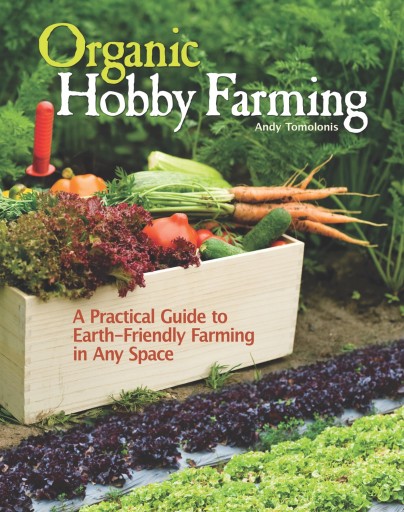
Organic Hobby Farming
Von Tomolonis, Andy
Herausgegeben von CompanionHouse Books
English
2014
ISBN 9781620081259
eBook
Buy at Bajalibros Latam
🇺🇸
Bajalibros Latam
🇺🇸
Shop besuchen →
LORANCHBOOKSTORE
🇺🇸
Shop besuchen →
Libros Patagonia
🇨🇱
Shop besuchen →
Ebooks Librería Carlos Fuentes
🇲🇽
Shop besuchen →
eBukz
🇨🇴
Shop besuchen →
Ebooks Lobo Lunar
🇧🇷
Shop besuchen →
Ebooks Librería Antártica
🇨🇱
Shop besuchen →
Ebooks Happy Books
🇨🇴
Shop besuchen →
ebooks libreria española
🇪🇨
Shop besuchen →
Bajalibros Argentina
🇦🇷
Shop besuchen →
Alpha Books
🇨🇴
Shop besuchen →

eBooks y Audiolibros en Librería Lerner
🇨🇴
Shop besuchen →
Sanborns Ebooks
🇲🇽
Shop besuchen →
ebooks Libreria del GAM
🇺🇾
Shop besuchen →
Bookshop Uruguay
🇺🇾
Shop besuchen →
Ebooks Yenny - El Ateneo
🇦🇷
Shop besuchen →
Crisol Ebooks
🇨🇴
Shop besuchen →
Verfügbar in 17 Buchhandlungen
LORANCHBOOKSTORE
🇺🇸
Shop besuchen →
Libros Patagonia
🇨🇱
Shop besuchen →
Ebooks Librería Carlos Fuentes
🇲🇽
Shop besuchen →
eBukz
🇨🇴
Shop besuchen →
Ebooks Lobo Lunar
🇧🇷
Shop besuchen →
Ebooks Librería Antártica
🇨🇱
Shop besuchen →
Ebooks Happy Books
🇨🇴
Shop besuchen →
ebooks libreria española
🇪🇨
Shop besuchen →
Alpha Books
🇨🇴
Shop besuchen →
eBooks y Audiolibros en Librería Lerner
🇨🇴
Shop besuchen →
Sanborns Ebooks
🇲🇽
Shop besuchen →
ebooks Libreria del GAM
🇺🇾
Shop besuchen →
Ebooks Yenny - El Ateneo
🇦🇷
Shop besuchen →
Crisol Ebooks
🇨🇴
Shop besuchen →
Über dieses Buch
In Organic Hobby Farming, Andy Tomolonis, a longtime organic gardener, part-time hobby farmer, and award-winning Boston-area journalist, strips down the concept of "organic" and explains why natural farming has emerged as the healthiest and most viable method of growing for hobby farms and other small-scale operations. In addition to the improved taste and the appeal of excluding toxic materials, organic farming benefits farmers, their families, and the environment. It offers economic plusses as well. The current consumer demand for "local" and "organic" food underscores the need for small hobby farms that offer unique high-end goods. Tomolonis explains the basic principles of organic farming and describes how hobby farmers and their families can eat healthier, save money, help preserve the environment, and even turn their passion into a small-scale side business.
Chapter 1 will help you assess the land you live on to determine whether it's suited for organic vegetables, fruit, berries, or livestock. Farmers who are looking to lease or buy land will find practical advice on how to evaluate properties and find their best use, taking climate, soil, water and geography into consideration. In Chapter 2, Tomolonis continues with practical advice on how to choose the right tools without overspending—starting slowly with quality hand implements and then expanding as you determine the need for costlier power equipment.
Chapter 3 moves on to the heart of any successful organic farm—building the soil. "The Good Earth" brings readers down to earth, i.e., the soil. You'll learn how to evaluate and improve your soil with compost and cover crops and protect it from erosion, chemical contamination and other harm. The author also stresses the importance of understanding the complex relationship between underground soil organisms that play such a crucial role in natural plant health. The best soil, with the right balance of nutrients and a healthy population of microbes, will help your plants survive hardship, resist diseases and produce healthier more bountiful harvests, the author explains.
Chapter 4 walks you through the steps needed to develop an organized farm plan. The chapter presents a convenient month-by-month overview of the farmer's year, offering a timeline and detailed instructions for sowing seeds indoors, transplanting seedlings, guarding against insects and weeds, harvesting, planting cover crops extending the season and developing a schedule for successive food crops. Whether you want to feed your growing family all summer long or produce enough food for a small-scale agribusiness, the information here is invaluable. This chapter also covers organic methods for harnessing the power of nature by luring beneficial insects that will help control farm and garden pests.
Learn about heirlooms, hybrids, and eclectic vegetable varieties in the comprehensive directory of vegetable crops and herbs introduced in Chapter 5. Tomolonis reveals his favorite varieties, including many alluring heirlooms that have grown in popularity. Each crop description offers detailed information on soil preparation, sowing, companion planting, and battling weeds and insects without harmful chemicals. The author, a former produce manager for a national grocery chain, also includes tips for harvesting crops, prepping them for display, and bringing the goods to market.
If you're looking for advice on fruits and berries, Organic Hobby Farms introduces new options in Chapter 6, where the author suggests ways to branch out with Asian pears, peaches, and apples, as well as nutritious blueberries, blackberries, raspberries and strawberries. As he does in other chapters, Tomolonis explains in common terms, how to choose the best varieties for your region, prepare the soil for maximum production, and deal with pests and diseases organically.
Kategorien
- Sprache
- English
Teilen
Das könnte dir auch gefallen
Reparaciones básicas, supervisión y organización de un taller. AGAU0208
de Ponce, Andalucía López
La vida de las abejas
Maeterlinck, Maurice
Ganadería deforestadora
Escoba, Natalia Katixa, Giraldo, Kelly, Cardona, Daniela, Santacoloma M., Laura J.
Mushroom Culture: Its Extension and Improvement
Robinson, W.
Organic Book of Compost
Pears, Pauline
Donkeys
Gallion, Anita