
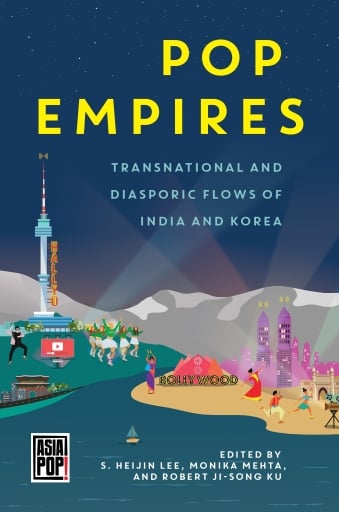
Pop Empires
Herausgegeben von University of Hawaii Press
English
2019
ISBN 9780824879938
eBook
Buy at Association of University Presses - Tienda FILUNI
🇺🇸
 Catademic
🇺🇸
Shop besuchen →
Catademic
🇺🇸
Shop besuchen →
 Bajalibros Latam
🇺🇸
Shop besuchen →
Bajalibros Latam
🇺🇸
Shop besuchen →
 Association of University Presses - Tienda FILUNI
🇺🇸
Shop besuchen →
Association of University Presses - Tienda FILUNI
🇺🇸
Shop besuchen →
 Ebooks Librería Antártica
🇨🇱
Shop besuchen →
Ebooks Librería Antártica
🇨🇱
Shop besuchen →
 Ebooks Agustin
🇪🇸
Shop besuchen →
Ebooks Agustin
🇪🇸
Shop besuchen →
 Bajalibros Argentina
🇦🇷
Shop besuchen →
Bajalibros Argentina
🇦🇷
Shop besuchen →
 Sanborns Ebooks
🇲🇽
Shop besuchen →
Sanborns Ebooks
🇲🇽
Shop besuchen →
 ebooks Libreria del GAM
🇨🇱
Shop besuchen →
ebooks Libreria del GAM
🇨🇱
Shop besuchen →
 Bookshop Uruguay
🇺🇾
Shop besuchen →
Bookshop Uruguay
🇺🇾
Shop besuchen →
 ebookskitapenas
🇬🇹
Shop besuchen →
ebookskitapenas
🇬🇹
Shop besuchen →
 Ebooks Yenny - El Ateneo
🇦🇷
Shop besuchen →
Ebooks Yenny - El Ateneo
🇦🇷
Shop besuchen →
 Crisol Ebooks
🇵🇪
Shop besuchen →
Crisol Ebooks
🇵🇪
Shop besuchen →
Verfügbar in 12 Buchhandlungen
Catademic
🇺🇸
Shop besuchen →
Bajalibros Latam
🇺🇸
Shop besuchen →
Association of University Presses - Tienda FILUNI
🇺🇸
Shop besuchen →
Ebooks Librería Antártica
🇨🇱
Shop besuchen →
Ebooks Agustin
🇪🇸
Shop besuchen →
Bajalibros Argentina
🇦🇷
Shop besuchen →
Sanborns Ebooks
🇲🇽
Shop besuchen →
ebooks Libreria del GAM
🇨🇱
Shop besuchen →
Bookshop Uruguay
🇺🇾
Shop besuchen →
ebookskitapenas
🇬🇹
Shop besuchen →
Ebooks Yenny - El Ateneo
🇦🇷
Shop besuchen →
Crisol Ebooks
🇵🇪
Shop besuchen →
Über dieses Buch
<p>At the start of the twenty-first century challenges to the global hegemony of U.S. culture are more apparent than ever. Two of the contenders vying for the hearts, minds, bandwidths, and pocketbooks of the world’s consumers of culture (principally, popular culture) are India and South Korea. “Bollywood” and “Hallyu” are increasingly competing with “Hollywood”—either replacing it or filling a void in places where it never held sway. <br><br>This critical multidisciplinary anthology places the mediascapes of India (the site of Bollywood), South Korea (fountainhead of Hallyu, aka the Korean Wave), and the United States (the site of Hollywood) in comparative dialogue to explore the transnational flows of technology, capital, and labor. It asks what sorts of political and economic shifts have occurred to make India and South Korea important alternative nodes of techno-cultural production, consumption, and contestation. By adopting comparative perspectives and mobile methodologies and linking popular culture to the industries that produce it as well as the industries it supports, <i>Pop Empires</i> connects films, music, television serials, stardom, and fandom to nation-building, diasporic identity formation, and transnational capital and labor. Additionally, via the juxtaposition of Bollywood and Hallyu, as not only synecdoches of national affiliation but also discursive case studies, the contributors examine how popular culture intersects with race, gender, and empire in relation to the global movement of peoples, goods, and ideas.</p>
- Sprache
- English
Teilen
Das könnte dir auch gefallen
Diaspora Christianities
George, Sam

Von dem muthmaßlichen Erfolge einer Invasion in Indien
Anonym
Conceiving the Indian Buddhist Patriarchs in China
Young, Stuart H.

The Buddhist Self
Jones, C. V.

1968: un año clave para el cine cubano
Castillo, Luciano, Naito, Mario

The Story of the Guides
Younghusband, G. J.