
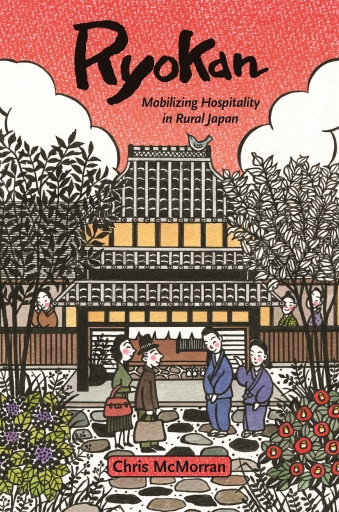
Ryokan
Von McMorran, Chris
Herausgegeben von University of Hawaii Press
English
225 Seiten
2022
ISBN 9780824892289
PDF
Buy at Bajalibros Latam
🇺🇸
 Catademic
🇺🇸
Shop besuchen →
Catademic
🇺🇸
Shop besuchen →
 Bajalibros Latam
🇺🇸
Shop besuchen →
Bajalibros Latam
🇺🇸
Shop besuchen →
 Association of University Presses - Tienda FILUNI
🇺🇸
Shop besuchen →
Association of University Presses - Tienda FILUNI
🇺🇸
Shop besuchen →
 Ebooks Librería Antártica
🇨🇱
Shop besuchen →
Ebooks Librería Antártica
🇨🇱
Shop besuchen →
 Ebooks Agustin
🇪🇸
Shop besuchen →
Ebooks Agustin
🇪🇸
Shop besuchen →
 Bajalibros Argentina
🇦🇷
Shop besuchen →
Bajalibros Argentina
🇦🇷
Shop besuchen →
 Sanborns Ebooks
🇲🇽
Shop besuchen →
Sanborns Ebooks
🇲🇽
Shop besuchen →
 ebooks Libreria del GAM
🇨🇱
Shop besuchen →
ebooks Libreria del GAM
🇨🇱
Shop besuchen →
 Bookshop Uruguay
🇺🇾
Shop besuchen →
Bookshop Uruguay
🇺🇾
Shop besuchen →
 ebookskitapenas
🇬🇹
Shop besuchen →
ebookskitapenas
🇬🇹
Shop besuchen →
 Ebooks Yenny - El Ateneo
🇦🇷
Shop besuchen →
Ebooks Yenny - El Ateneo
🇦🇷
Shop besuchen →
 Crisol Ebooks
🇵🇪
Shop besuchen →
Crisol Ebooks
🇵🇪
Shop besuchen →
Verfügbar in 12 Buchhandlungen
Catademic
🇺🇸
Shop besuchen →
Bajalibros Latam
🇺🇸
Shop besuchen →
Association of University Presses - Tienda FILUNI
🇺🇸
Shop besuchen →
Ebooks Librería Antártica
🇨🇱
Shop besuchen →
Ebooks Agustin
🇪🇸
Shop besuchen →
Bajalibros Argentina
🇦🇷
Shop besuchen →
Sanborns Ebooks
🇲🇽
Shop besuchen →
ebooks Libreria del GAM
🇨🇱
Shop besuchen →
Bookshop Uruguay
🇺🇾
Shop besuchen →
ebookskitapenas
🇬🇹
Shop besuchen →
Ebooks Yenny - El Ateneo
🇦🇷
Shop besuchen →
Crisol Ebooks
🇵🇪
Shop besuchen →
Über dieses Buch
<p>Amid the decline of many of Japan’s rural communities, the hot springs village resort of Kurokawa Onsen is a rare, bright spot. Its two dozen traditional inns, or ryokan<i>,</i> draw nearly a million tourists a year eager to admire its landscape, experience its hospitality, and soak in its hot springs. As a result, these ryokan have enticed village youth to return home to take over successful family businesses and revive the community. Chris McMorran spent nearly two decades researching ryokan in Kurokawa, including a full year of welcoming guests, carrying luggage, scrubbing baths, cleaning rooms, washing dishes, and talking with co-workers and owners about their jobs, relationships, concerns, and aspirations. He presents the realities of ryokan work—celebrated, messy, ignored, exploitative, and liberating—and introduces the people who keep the inns running by making guests feel at home.<br><br>McMorran explores how Kurokawa’s ryokan mobilize hospitality to create a rural escape from the globalized dimensions of everyday life in urban Japan. Ryokan do this by fusing a romanticized notion of the countryside with an enduring notion of the hospitable woman embodied by <i>nakai,</i> the hired female staff who welcome guests, serve meals, and clean rooms. These women are the face of the ryokan. But hospitality often hides a harsh reality. McMorran found numerous <i>nakai</i> in their 50s, 60s, and 70s who escaped violent or unhappy marriages by finding employment in ryokan. Yet, despite years of experience, <i>nakai</i> remain socially and economically vulnerable. <br><br>Through this intimate and inventive ethnography of a year in a ryokan, McMorran highlights the importance of both the generational work of ryokan owners and the daily work of their employees, while emphasizing the gulf between them. With its focus on small, family-owned businesses and a mobile, vulnerable workforce, <i>Ryokan </i>makes an invaluable contribution to scholarship on the Japanese workplace. It also will interest students and scholars in geography, mobility studies, and women’s studies and anyone who has ever stayed at a ryokan and is curious about the work that takes place behind the scenes.</p>
- Sprache
- English
Teilen
Das könnte dir auch gefallen

Gestión hotelera en la comercialización de las ofertas y servicios empleando internet web 2.0 en la ciudad de Tulcán
Miranda Realpe, Jorge Humberto, Miranda Realpe, Luz Acacia

Análisis sensorial de productos selectos propios de sumillería y diseño de sus ofertas. HOTR0209
Pulido Lería, Cristina
Turismo sostenible: diez consejos para lograrlo
Lacouture, María Claudia
Turismo de interior: renovarse o morir
AAVV

Políticas Públicas de Turismo
Nóbrega, Pâmela Laís Arruda

Turismo Comunitário
Carneiro, Fernâncio Barbosa