
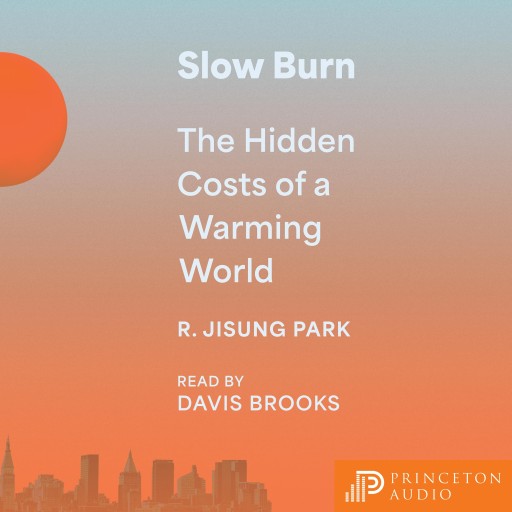
Slow Burn
Herausgegeben von Princeton University Press
English
2024
ISBN 9780691258232
Hörbuch
Buy at Bajalibros Latam
🇺🇸
 Catademic
🇺🇸
Shop besuchen →
Catademic
🇺🇸
Shop besuchen →
 Bajalibros Latam
🇺🇸
Shop besuchen →
Bajalibros Latam
🇺🇸
Shop besuchen →
 LORANCHBOOKSTORE
🇺🇸
Shop besuchen →
LORANCHBOOKSTORE
🇺🇸
Shop besuchen →
 Ebooks Librería Carlos Fuentes
🇲🇽
Shop besuchen →
Ebooks Librería Carlos Fuentes
🇲🇽
Shop besuchen →
 Viubux
🇲🇽
Shop besuchen →
Viubux
🇲🇽
Shop besuchen →
 Ebooks Librería Antártica
🇨🇱
Shop besuchen →
Ebooks Librería Antártica
🇨🇱
Shop besuchen →
 Ebooks Happy Books
🇨🇴
Shop besuchen →
Ebooks Happy Books
🇨🇴
Shop besuchen →
 ebooks libreria española
🇪🇨
Shop besuchen →
ebooks libreria española
🇪🇨
Shop besuchen →
 Bajalibros Argentina
🇦🇷
Shop besuchen →
Bajalibros Argentina
🇦🇷
Shop besuchen →
 Alpha Books
🇨🇴
Shop besuchen →
Alpha Books
🇨🇴
Shop besuchen →
 Sanborns Ebooks
🇲🇽
Shop besuchen →
Sanborns Ebooks
🇲🇽
Shop besuchen →
 ebooks Libreria del GAM
🇨🇱
Shop besuchen →
ebooks Libreria del GAM
🇨🇱
Shop besuchen →
 Bookshop Uruguay
🇺🇾
Shop besuchen →
Bookshop Uruguay
🇺🇾
Shop besuchen →
 Ebooks Yenny - El Ateneo
🇦🇷
Shop besuchen →
Ebooks Yenny - El Ateneo
🇦🇷
Shop besuchen →
 Crisol Ebooks
🇵🇪
Shop besuchen →
Crisol Ebooks
🇵🇪
Shop besuchen →
Verfügbar in 15 Buchhandlungen
Catademic
🇺🇸
Shop besuchen →
Bajalibros Latam
🇺🇸
Shop besuchen →
LORANCHBOOKSTORE
🇺🇸
Shop besuchen →
Ebooks Librería Carlos Fuentes
🇲🇽
Shop besuchen →
Viubux
🇲🇽
Shop besuchen →
Ebooks Librería Antártica
🇨🇱
Shop besuchen →
Ebooks Happy Books
🇨🇴
Shop besuchen →
ebooks libreria española
🇪🇨
Shop besuchen →
Bajalibros Argentina
🇦🇷
Shop besuchen →
Alpha Books
🇨🇴
Shop besuchen →
Sanborns Ebooks
🇲🇽
Shop besuchen →
ebooks Libreria del GAM
🇨🇱
Shop besuchen →
Bookshop Uruguay
🇺🇾
Shop besuchen →
Ebooks Yenny - El Ateneo
🇦🇷
Shop besuchen →
Crisol Ebooks
🇵🇪
Shop besuchen →
Über dieses Buch
This audiobook narrated by Davis Brooks reveals how the subtle but significant consequences of a hotter planet have already begun—from lower test scores to higher crime rates—and how we might tackle them today
It's hard not to feel anxious about the problem of climate change, especially if we think of it as an impending planetary catastrophe. In Slow Burn, R. Jisung Park encourages us to view climate change through a different lens: one that focuses less on the possibility of mass climate extinction in a theoretical future, and more on the everyday implications of climate change here and now.
Drawing on a wealth of new data and cutting-edge economics, Park shows how climate change headlines often miss some of the most important costs. When wildfires blaze, what happens to people downwind of the smoke? When natural disasters destroy buildings and bridges, what happens to educational outcomes? Park explains how climate change operates as the silent accumulation of a thousand tiny conflagrations: imperceptibly elevated health risks spread across billions of people; pennies off the dollar of productivity; fewer opportunities for upward mobility.
By investigating how the physical phenomenon of climate change interacts with social and economic institutions, Park illustrates how climate change already affects everyone, and may act as an amplifier of inequality. Wealthier households and corporations may adapt quickly, but, without targeted interventions, less advantaged communities may not.
Viewing climate change as a slow and unequal burn comes with an important silver lining. It puts dollars and cents behind the case for aggressive emissions cuts and helps identify concrete steps that can be taken to better manage its adverse effects. We can begin to overcome our climate anxiety, Park shows us, when we begin to tackle these problems locally.
Kategorien
- Sprache
- English
Teilen
Das könnte dir auch gefallen
Big Structures, Large Processes, Huge Comparisons
Tilly, Charles
Mikroökonomie Crashkurs für Manager
Schröder, Prof. Dr. Harry
Zukunftsfähige Agrarwirtschaft
Guía práctica de comercio electrónico y transformación digital
Correa Ocampo, Jaime Andrés
The Capital (Complete 3 Volumes)
Marx, Karl
Energieorientierte BWL
Kals, Johannes