Stevens County
Von Counts, Kay L.
Herausgegeben von Arcadia Publishing
English
2014
ISBN 9781439645543
eBook







Über dieses Buch
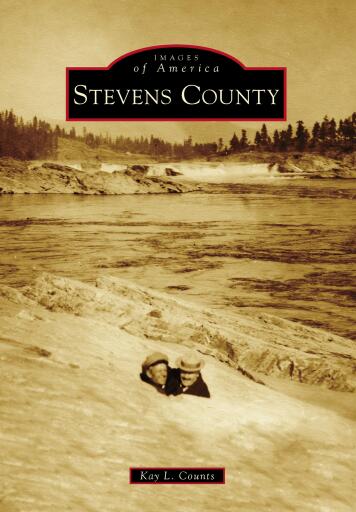
Stevens County was first inhabited by a Paleo-Indian culture that occupied Kettle Falls along the Columbia River for 9,000 years. A gathering place for several Salish Indian tribes, the area called Shonitkwu, meaning �Falls of Boiling Baskets,� was an abundant resource for fishing�specifically salmon. Traveling downriver from Kettle Falls to the trading post Spokane House in 1811, Canadian fur trapper David Thompson described the village as �built of long sheds of 20 feet in breadth� and noted the tribe�s ceremonial dances worshiping the arrival of salmon. In 1829, Fort Colville was producing large amounts of food from local crops. And in 1934, work began on the Columbia Dam to generate a much-needed power source for irrigation from the Columbia River. Upon its completion in 1940, the native tribes gathered one last time, not to celebrate the return of the salmon but for a �ceremony of tears� on the salmon�s departure.
Kategorien
- Sprache
- English
Teilen