
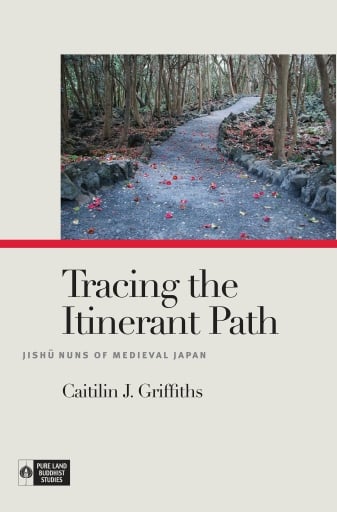
Tracing the Itinerant Path
Herausgegeben von University of Hawaii Press
English
2016
ISBN 9780824859374
eBook
Buy at Catademic
🇺🇸
 Catademic
🇺🇸
Shop besuchen →
Catademic
🇺🇸
Shop besuchen →
 Bajalibros Latam
🇺🇸
Shop besuchen →
Bajalibros Latam
🇺🇸
Shop besuchen →
 Association of University Presses - Tienda FILUNI
🇺🇸
Shop besuchen →
Association of University Presses - Tienda FILUNI
🇺🇸
Shop besuchen →
 Ebooks Librería Antártica
🇨🇱
Shop besuchen →
Ebooks Librería Antártica
🇨🇱
Shop besuchen →
 Ebooks Agustin
🇪🇸
Shop besuchen →
Ebooks Agustin
🇪🇸
Shop besuchen →
 Bajalibros Argentina
🇦🇷
Shop besuchen →
Bajalibros Argentina
🇦🇷
Shop besuchen →
 Sanborns Ebooks
🇲🇽
Shop besuchen →
Sanborns Ebooks
🇲🇽
Shop besuchen →
 ebooks Libreria del GAM
🇨🇱
Shop besuchen →
ebooks Libreria del GAM
🇨🇱
Shop besuchen →
 Bookshop Uruguay
🇺🇾
Shop besuchen →
Bookshop Uruguay
🇺🇾
Shop besuchen →
 ebookskitapenas
🇬🇹
Shop besuchen →
ebookskitapenas
🇬🇹
Shop besuchen →
 Ebooks Yenny - El Ateneo
🇦🇷
Shop besuchen →
Ebooks Yenny - El Ateneo
🇦🇷
Shop besuchen →
 Crisol Ebooks
🇵🇪
Shop besuchen →
Crisol Ebooks
🇵🇪
Shop besuchen →
Verfügbar in 12 Buchhandlungen
Catademic
🇺🇸
Shop besuchen →
Bajalibros Latam
🇺🇸
Shop besuchen →
Association of University Presses - Tienda FILUNI
🇺🇸
Shop besuchen →
Ebooks Librería Antártica
🇨🇱
Shop besuchen →
Ebooks Agustin
🇪🇸
Shop besuchen →
Bajalibros Argentina
🇦🇷
Shop besuchen →
Sanborns Ebooks
🇲🇽
Shop besuchen →
ebooks Libreria del GAM
🇨🇱
Shop besuchen →
Bookshop Uruguay
🇺🇾
Shop besuchen →
ebookskitapenas
🇬🇹
Shop besuchen →
Ebooks Yenny - El Ateneo
🇦🇷
Shop besuchen →
Crisol Ebooks
🇵🇪
Shop besuchen →
Über dieses Buch
<p>Women have long been active supporters and promoters of Buddhist rituals and functions, but their importance in the operations of Buddhist schools has often been minimized. Chin’ichibō (?–1344), a nun who taught male and female disciples and lived in her own temple, is therefore considered an anomaly. In <i>Tracing the Itinerant Path,</i> Caitilin Griffiths’ meticulous research and translations of primary sources indicate that Chin’ichibō is in fact an example of her time—a learned female who was active in the teaching and spread of Buddhism—and not an exception.<br><br>Chin’ichibō and her disciples were <i>jishū,</i> members of a Pure Land Buddhist movement of which the famous charismatic holy man Ippen (1239–1289) was a founder. <i>Jishū,</i> distinguished by their practice of continuous <i>nembutsu</i> chanting, gained the support of a wide and diverse populace throughout Japan from the late thirteenth century. Male and female disciples rarely cloistered themselves behind monastic walls, preferring to conduct ceremonies and religious duties among the members of their communities. They offered memorial and other services to local lay believers and joined itinerant missions, traveling across provinces to reach as many people as possible. Female members were entrusted to run local practice halls that included male participants. Griffiths’ study introduces female <i>jishū</i> who were keenly involved—not as wives, daughters, or mothers, but as partners and leaders in the movement. <br><br>Filling the lacunae that exists in our understanding of women’s participation in Japanese religious history, Griffiths highlights the significant roles female <i>jishū</i> held and offers a more nuanced understanding of Japanese Buddhist history. Students of Buddhism, scholars of Japanese history, and those interested in women’s studies will find this volume a significant and compelling contribution.</p>
Kategorien
- Sprache
- English
Teilen
Das könnte dir auch gefallen

Alternative Politics in Contemporary Japan

At the Edge of the Nation
Richardson, Paul B.

The Art of Censorship in Postwar Japan
Fischer, Kirsten Cather
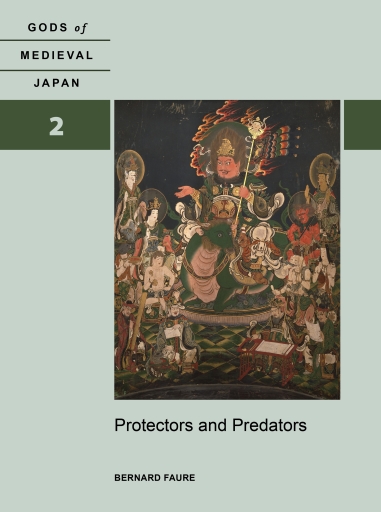
Protectors and Predators
Faure, Bernard

License to Play
Daliot-Bul, Michal
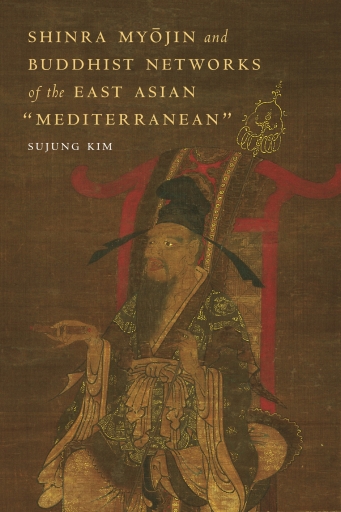
Shinra Myōjin and Buddhist Networks of the East Asian “Mediterranean”
Kim, Sujung