What the Numbers Don't Say: Fiction Gains, Nonfiction Falls in Q1 2026
There is a statistic about the first quarter of 2026 that I find myself returning to, not because it is dramatic — it is not — but because of what it implies. Adult fiction in the United States grew by 5.5 percent in the first three months of the year. Adult nonfiction fell by 7.8 percent. The Association of American Publishers released these numbers with the quiet efficiency of an institution that has long learned to present data without telling readers what to feel about it.
I have been thinking about what it means when fiction outpaces nonfiction. Not merely commercially, but culturally. Fiction is so often described as escapism — a word that contains within it an implicit judgment, a suggestion that reality is where serious people properly spend their time. The numbers suggest that readers, at least in the aggregate, may be making a different calculation. Perhaps they have grown tired of the nonfiction certainties of recent years: the confident diagnoses of the present, the twenty-point plans, the books that promised to explain everything and delivered, at best, a plausible account of one thing. Fiction makes no such promises. It asks only for your willingness to pretend.
The comparison I keep returning to is with what Norwegian readers call seriøs litteratur — serious literature — a category that refuses to pretend the boundary between fiction and nonfiction is where we think it is. Karl Ove Knausgård's Min Kamp is both simultaneously, and readers knew it, and read it accordingly. Sales figures for a given quarter cannot capture that kind of reading. They tell us what people bought; they cannot tell us what happened to them when they read it.
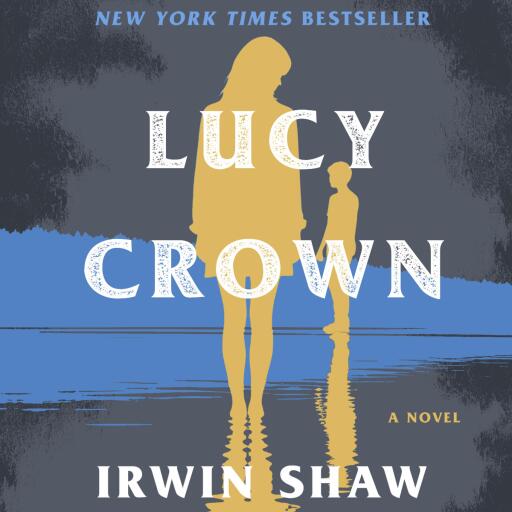
What the Q1 figures might tell us, more cautiously, is something about trust. Trust in fiction's particular capacity to address what feels most urgent — the personal within the political, the specific within the vast. A novel like Irwin Shaw's Lucy Crown — a portrait of a postwar American family unravelling in slow and recognisable ways — does something a sociological study of the same era cannot quite do. It shows you the inside of the damage. That specificity, that access to interiority, may be what fiction's 5.5 percent is partly about.
Whether publishers are ready to meet that trust with appropriate curiosity — or whether they will simply print more of whatever sold last season — is, of course, a different question. One the numbers do not answer.