Allen Ginsberg Was Right: One Hundred Years of the Poet Who Howled First
Honest question: when was the last time a poem left you breathless? Not because it was beautiful. Because it told you something true that no one else had dared say.
On June 3, 1926, Allen Ginsberg was born in Newark, New Jersey. On June 3, 2026, that poet turned one hundred. And honestly, a hundred years suits him well. Howl (1956) still sounds like it was written yesterday in a San Francisco café with the ashtray full and the mind blazing. «I saw the best minds of my generation destroyed by madness, starving hysterical naked...» It opens like that. Seven decades later, ask yourself: do you know anyone who doesn't fit that description?
Ginsberg was many things simultaneously, which is what troubles those who prefer tidy boxes. He was a poet and an activist and a Buddhist and gay and Jewish and scandalous and tender. He wanted to speak about the body with the same seriousness he gave to God. He wanted language to sweat. He built his long lines on breath — not on meter but on the lung, on what a body can sustain in a single exhalation.
Is Ginsberg canonical? Yes. Does that make him less urgent? Not at all. The canon has this bad habit of domesticating what was once dangerous. But open Howl right now and tell me if you don't feel something tight in your chest. I'll wait.
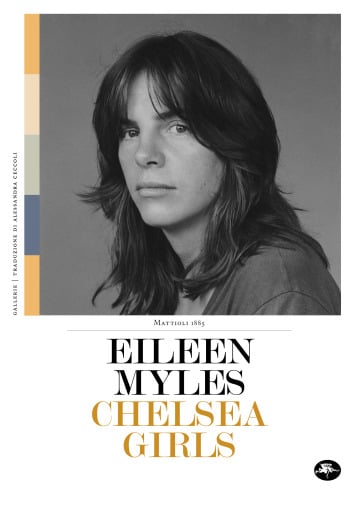
What I like to think is that Ginsberg made many people who came after him possible. He made Eileen Myles possible — queer poet, narrator of New York's 1970s bohemia, documented in the autofictional Chelsea Girls — by proving that the queer body and free verse were made for each other. The chain is long and it continues.
Today his name appears in anthologies, in university syllabi, in lists of «poets you should read.» All fine. But the best way to celebrate a centenary is not to add a poet to a list. It is to open him to any page and read aloud. Seriously. Aloud. That is what he wanted: for the poem to exist in the air, between two bodies, as conversation.
Howl turns one hundred in its father and seventy in itself. Both deserve a reading without reverence, at full volume.