Ghost-Eye, Ghosh, and the Tuesday That Literary Fiction Took Itself Seriously
There is a particular sensation that comes when a writer you have been reading for twenty years produces something you cannot immediately categorize. Not surprise exactly — more like recognition of a familiar voice saying something it has been saving.
Amitav Ghosh's Ghost-Eye, published today by Farrar, Straus and Giroux, arrives with the description: “a marvel that will ignite a reader's sense of wonder.” Strip away the jacket-copy function and something real remains. Ghosh has been circling the same question for decades: what does it cost a civilization to lose the capacity for wonder? From the colonial Bengal of The Glass Palace to the Ibis trilogy's Indian Ocean world, through the nonfiction essays of The Great Derangement on climate and imagination, the question has become more urgent with each book. Ghost-Eye appears to be his most direct answer yet.
June 17, 2026 is an unusually generous Tuesday for literary fiction. Joyce Carol Oates has a new story collection — The Frenzy (Hogarth) — described as “simmering and remorseless.” Both words accurate for Oates, who has been simmering and remorseless since before most of this morning's reviewers were born. Isabel Waidner's As If (FSG) brings a doppelgänger story to contemporary London, continuing the experimental project of a writer who refuses to make anything simple. And NYRB Classics has issued a new edition of John Berger's G, the 1972 Booker Prize winner — a reminder that novels, when they work, do not age so much as deepen.
What connects these very different books is something criticism struggles to name without embarrassment: the desire to be genuinely surprised by a sentence. Ghosh has it. Oates, on her best days, still does. Berger had it and gave it away generously.
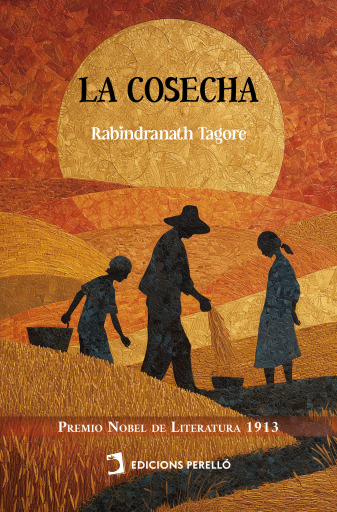
The Indian literary tradition that Ghosh extends has deep roots in the sense of wonder Rabindranath Tagore located in the ordinary — in gardens, in harvest seasons, in the light across water. You can read The Gardener and find the same refusal of the mundane that Ghosh brings to narrative: beauty as a form of knowledge, not decoration. Ghost-Eye is here now. The summer reading season, it appears, has decided to take itself seriously.