Annie Ernaux Comes Back — All Three of Her at Once
Annie Ernaux has won the Nobel Prize. She has been called France's greatest living writer. She has inspired a generation of autofiction. And yet, until this autumn, a good portion of her catalogue remained unavailable in the United States. Seven Stories Press is about to correct that, rather conspicuously, with three books at once.
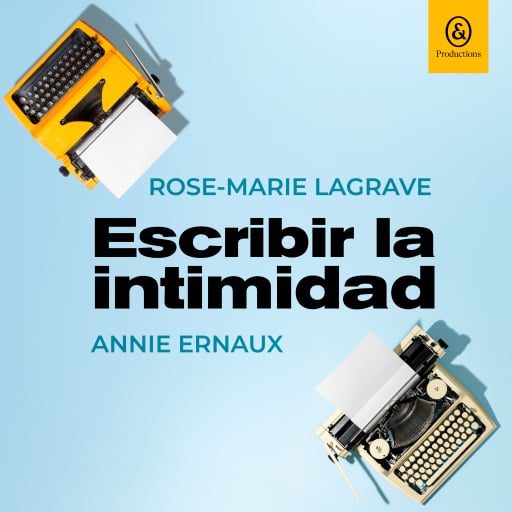
Hotel Casanova, out October 6 and translated by Alison L. Strayer, collects brief fiction and nonfiction in a mode that will be familiar to Ernaux readers: the short form as a scalpel, the fragment as the most honest unit of meaning. The same day sees A Conversation, her exchange with sociologist Rose-Marie Lagrave — a dialogue that covers not just her writing but the class mobility and estrangement that have preoccupied Ernaux since Cleaned Out (1974). If you have ever wanted to hear her think out loud, this is the closest thing to it.
Then, on October 27, Writing, the Other Life arrives: a visual celebration of her work, with six translators — a small congress of English voices attempting to pin down a writer who resists the very idea of being pinned down.
The timing is not accidental. Nobel laureates experience surges of translation activity in the years following their prize, and Ernaux, who won in 2022, is now reaching that moment when publishers feel confident that there is a stable readership willing to follow her into the smaller rooms of her work. These are not the accessible entry points — that would be The Years or A Woman's Story — but the quieter, more oblique texts that define a writer's interiority.
What strikes me is how little Ernaux herself has changed course. She remains committed to the same project she set out in 1974: the archaeology of a life in which class, gender and history are inseparable. She does not chase trends. She has not become the kind of writer who performs depth. She simply excavates, and what she finds is never comfortable.
You can read her in Spanish right now. Escribir la intimidad — the Spanish edition of A Conversation — is already in our catalog, as is El taller negro, her book on the craft and doubts of writing. Whether these American editions will bring new readers to her, or simply give existing ones more to argue about, remains to be seen. Though with Ernaux, arguing is rather the point.