The Snail, Ukraine, and Everything We're Trying to Save: Maria Reva Wins the Aspen Words Prize
There's a kind of novel that catches you in its first pages and takes days to let go. Endling, by Maria Reva, is that kind of novel. This week it won the 2026 Aspen Words Literary Prize — $35,000, one of the most significant awards in literary fiction — and it was also longlisted for the Booker Prize, which means the critical establishment is now saying out loud what many readers already suspected.
The plot, briefly: two sisters search for their missing activist mother against the backdrop of the Russia-Ukraine war. Meanwhile, a scientist devotes his life to preserving a rare snail species on the edge of extinction. It sounds like it shouldn't cohere. It coheres completely. Because Reva understands something more conventional novelists forget: extinction is not merely a biological concept. Extinction is what you feel when you try to save something the world has already decided it doesn't need.
The Aspen Words jury was direct: Endling is «an audacious novel about people fighting many different kinds of extinction». Juror Héctor Tobar highlighted how Reva «wove together ecological themes with an epic story about the war in Ukraine», producing something that «plays with the very idea of what the literary form of a novel can be». That's not an empty compliment. That's a description of technique.
What I find most interesting about this prize is not just the winner — who deserves it — but the kind of literature it chooses to honor. The Aspen Words has been consistent: Tayari Jones with An American Marriage (mass incarceration), Isabella Hammad with Enter Ghost (Palestinian occupation), and now Reva with Ukraine and snails. The list defines a coherent literary project: fiction that connects the intimate with the political not metaphorically but literally.
There's something about the image of the snail I keep turning over. An animal whose home is its own body. That moves slowly, that is vulnerable, that leaves a trace that disappears in seconds. The scientist in Endling who dedicates his life to preserving that species might seem out of place in a war novel. But Reva places him there deliberately: because all wars are also wars against slowness, against smallness, against things that exist for no purpose except to exist.
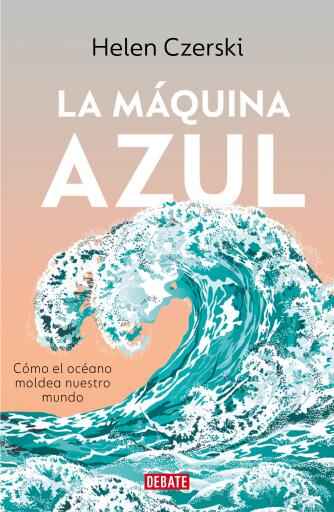
If you're drawn to books that think seriously about the survival of fragile things — a species, a family, a country — The Blue Machine by Helen Czerski is another entry into the same territory, from ocean science rather than fiction. But read Endling first if you can. And when you finish, ask yourself: how many things are you trying to save right now?