
Black Bookstores Are Not a Niche—They Are the Heart of a Literature
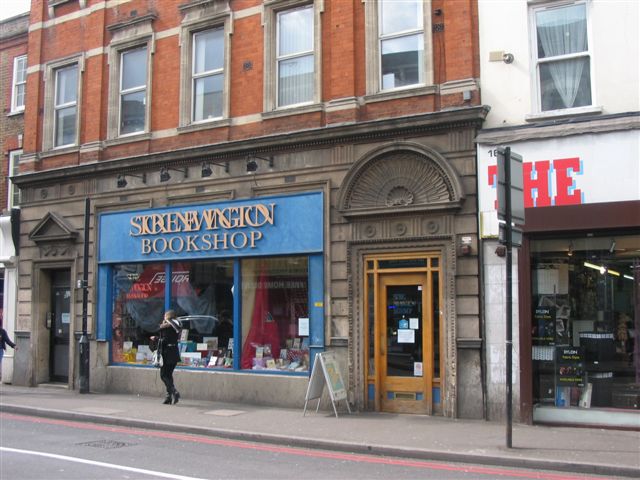
The first time I walked into a real bookstore I was eleven years old, in Bogotá. My mother took me to a second-hand shop near La Candelaria that smelled of old paper and something close to a promise. The bookseller knew us by name. I never forgot that.
Today, April 7, 2026, the National Association of Black Bookstores (NABB) has declared this National Black Bookstore Day. It is not an empty symbolic gesture. It is a political, cultural, and emotional act at a moment when diversity and inclusion policies are being systematically dismantled across American institutions. When a Black bookstore opens its doors—in Harlem, in Atlanta, in Oakland—it does something that goes far beyond selling books: it preserves a memory that many would prefer to see erased.
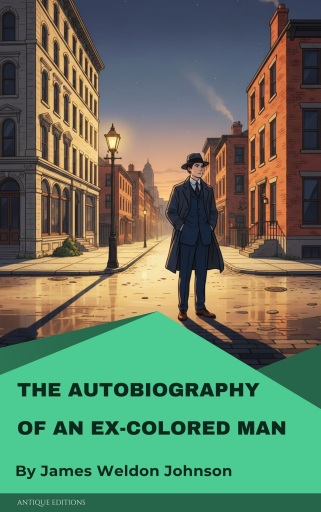
There is a line connecting the Harlem of the 1920s to the present. James Weldon Johnson published The Autobiography of an Ex-Colored Man in 1912—anonymously at first, as if the story of a man navigating between two racial identities were too dangerous to sign. A few years later, Wallace Thurman scandalized even his own community with The Blacker the Berry, a novel about internal colorism—that shame which doesn't come from outside but from within. Those books existed, circulated, survived because bookstores put them on their shelves. Bookstores that said: this story matters too.
I think of Jesmyn Ward, one of the most powerful voices in contemporary American fiction, who in Let Us Descend turned the history of slavery into an intimate and devastating epic. Or of everything still to come: a new generation of Black writers publishing novels, poetry, and essays that don't always reach the shelves of large chains. Black bookstores are the ecosystem where that literature breathes.
In Latin America we know something of this. Independent bookshops—in Bogotá, in Mexico City, in Buenos Aires—have always been more than a business. García Márquez would not have been García Márquez without the reading culture that surrounded him, without booksellers who recommended with passion and conviction. The bookstore as political space is not an Anglo-Saxon invention: it is a lifelong Latin American practice.
Find a Black bookstore today. If you're in the United States, walk in. Buy a book. If you're not, read a Black writer whose voice you haven't heard yet. Holding a book in your hands has always been, in some sense, a small act of freedom.
Recommended reads

Tags