The Myth and the Man: The First English Biography of Roberto Bolaño Is Coming
When Roberto Bolaño died in Barcelona in 2003 at the age of fifty, he left behind a body of work that would spend the next two decades becoming one of the most celebrated and disputed legacies in contemporary literature. He had spent much of his life poor, sick, and largely unrecognized. By the time 2666 appeared posthumously in 2004, the literary machinery that turns writers into myths was already warming up.
Now, twenty-three years after his death, comes the news that the machinery will have to contend with an actual biographer. Bloomsbury has acquired Bolaño: Life and Afterlife by Aaron Shulman — described as the first English-language biography of the Chilean novelist and poet, examining both his career trajectory and what Bloomsbury diplomatically calls his «contentious, myth-riddled posthumous legacy.» Publication is set for 2028.
What makes a Bolaño biography both necessary and formidable is precisely that posterity. The man himself was a tireless self-mythologizer: he claimed — falsely, as later emerged — to have been briefly imprisoned during Pinochet's coup; he positioned himself as the last great romantic outlaw of Latin American literature; he wrote characters, notably the poet Arturo Belano in The Savage Detectives, who were barely disguised versions of himself. Disentangling the person from the persona requires not just literary skill but forensic patience — the sort of thing that takes, apparently, decades.
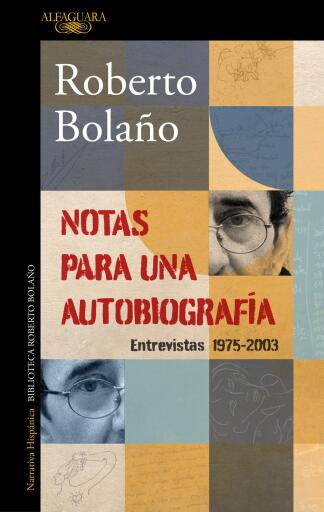
Shulman's task is further complicated by the posthumous legacy problem. Bolaño's estate has been productive and contentious in roughly equal measure, with works of varying quality and apparent readiness appearing regularly since his death. Whether the man who wrote Llamadas telefónicas would have authorized all of it is a question that has exercised scholars and frustrated readers. Notas para una autobiografía collects his interviews and statements — essential, if sometimes contradictory, primary sources for any biographer brave enough to try.
There's also the question of what it means to be a Bolaño reader in 2026. The initial anglophone fever for his work has settled into something more measured. The myths need examination. Shulman's book, when it arrives in 2028, will find a readership perhaps finally ready to meet the actual man rather than the legend that posthumous bestseller lists created. Whether that man is more or less interesting than the myth is the question that will make or break this biography. Until then, there's always Monsieur Pain — minor Bolaño, certainly, but revealing in the way that minor work always is.