The Booker Longlist Arrives and, As Usual, Somebody Is Furious

The Booker Prize released its 2026 longlist this week, and within hours the literary internet had divided itself into two neat camps: those who felt vindicated and those who felt betrayed. Both camps, I would argue, are performing rather than responding. This is the annual Booker ritual, and it is as reliable as spring.
What strikes me about this year's longlist is not its surprises — though there are some — but the degree to which the judges appear to have resisted the obvious. Several novels that attracted heavy pre-season attention are absent. Others that barely registered in the prediction markets appear prominently. This is either evidence of genuine deliberative independence or a reminder that prize culture generates its own forms of hype that bear little relation to the books themselves.
I suspect both are true. Prize juries are not oracles. They are small groups of people who read a finite number of books under conditions of considerable pressure and arrive at a list that reflects their particular tastes, their particular blind spots, and the particular moment in which they read. The Booker has always been this. The notion that it represents some objective summit of literary achievement is a useful fiction that the prize's marketing depends on and that readers would do well to treat with mild skepticism.
That said, longlists perform a real function. They name things. Twelve or thirteen novels get elevated into a conversation that they might not otherwise have reached. Some of those novels will sell better because of the longlist. Some readers will find books they love. This is not nothing. It is, in fact, the primary social utility of literary prizes, and it is worth acknowledging before we start performing our outrage.
The more interesting question, always, is what the list reveals about the current preoccupations of literary fiction. Every longlist is a kind of collective diagnostic. This year's list — whatever its final composition — reflects an industry in the middle of working something out. The novels that keep appearing at prize level tend to grapple with questions of displacement, inheritance, and the instability of memory. These are not new themes, but the formal approaches keep shifting, and the geographic range keeps broadening.
Whether this year's list does justice to that range, I will leave for readers to decide. My own view is that prize conversation, at its best, is a provocation to read. At its worst, it is a substitute for reading. The Booker longlist has arrived. The books themselves are the point.
Recommended reads
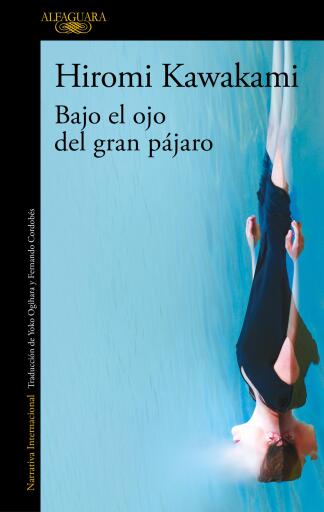
LA GRAN AUTORA JAPONESA VUELVE CON LA NOVELA FINALISTA DEL PREMIO BOOKER INTERNACIONAL 2025. MÁS DE 700.000 LECTORES «Un
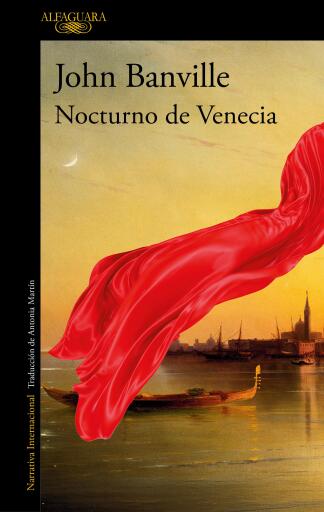
LA NUEVA NOVELA DEL GANADOR DE LOS PREMIOS PRÍNCIPE DE ASTURIAS DE LAS LETRAS, BOOKER Y FRANZ KAFKA «El mejor escritor e