Seven Writers Who Won't Fit Neatly on a Shelf: The 2026 DAG Prize Finalists
Every so often, American literature is reminded that it contains multitudes it hasn't quite gotten around to publishing yet. The DAG Foundation's annual Prize for Literature — $20,000 to an early-career prose writer whose work "expands the possibilities for American writing" — provides one such reminder. This week the foundation announced seven finalists for the 2026 prize, selected from 220 applications, and the list is, to put it mildly, not what you'd find face-out on a supermarket display.
The seven are: Marcus Clayton (Can I Live?: 13 Afro(Latine) Punk Essays), Maddie Norris (The Shape of Nothing That Has Ever Existed: Essays in Praxis), Ali Raz (The Vanishing String), Mihret Sibhat (The Door of No Refund), Jefferey Spivey (Fatherwife), Tegan Nia Swanson (We Do Not Dream of Salt Plagues), and Sophia Terazawa (Curse Him). The subjects range from missing persons rendered as a linguistic problem to climate gothic survivalism, from Black queer loneliness in hybrid poetry-fiction form to autofiction about psychics and inherited curses. As shortlists go, it has the pleasing quality of being nearly impossible to summarise at a dinner party.
The inaugural DAG Prize went to Michael Zapata, which tells you something about the foundation's instincts. The prize is specifically structured to fund a writer's second project — that peculiarly precarious moment when a debut has landed and the world is watching to see whether the writer is a phenomenon or a fluke. Most literary prizes reward what has already been written and reviewed and approved. This one bets on what comes next.
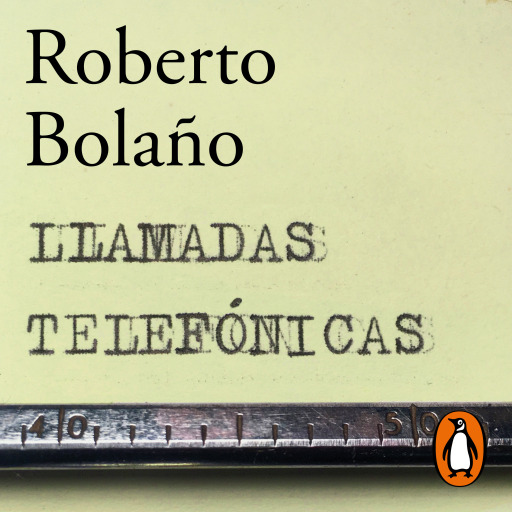
What unites the finalists is less a house style than a shared impatience with received forms. Essays that treat writing as act rather than product. Novels that use genre conventions as raw material. Autofiction that wanders into the supernatural without apology. Roberto Bolaño — whose story collection Llamadas telefónicas treats the short form as a series of quiet controlled detonations — understood this instinct well: prose earns its keep by constantly testing what it is allowed to do.
The winner will be announced in July. The prize is $20,000, which buys roughly six months of serious writing time in a mid-sized American city. The more interesting question is what follows: whether publishers prove as curious as the DAG Foundation, or whether these seven writers spend the next few years being told their work is extraordinary but perhaps slightly difficult to position. American literature is full of writers who expanded its possibilities long before the market caught up. The prize, at least, is keeping score.