
The Sacred Shelf: What Thirty Million Devotional Readers Are Actually Telling Us
The numbers arrive quietly, but they land hard. Between 2019 and 2025, print sales of Bibles, devotionals, and Bible study guides in the United States nearly doubled — from 16.6 million to 30.8 million units per year. In a decade when physical book sales have been declared dying, the religious publishing market chose not to read the obituary.
Publishers Weekly's recent analysis traces this growth to something that has little to do with a religious revival and a great deal to do with anxiety. Readers in «trying times», as one publisher put it, are «reaching for truth and hope and meaning». The phrasing is careful, almost clinical. What it describes is ancient: the human impulse, in periods of disorientation, to reach for texts that have already survived centuries of disorientation before ours.
What strikes me about this story is not the religiosity itself, but the form the market has found for it. The Majestic Illuminated Bible from Hachette Nashville features one hundred color illustrations sourced from 15th-century manuscripts. Journaling Bibles — blank-margined volumes designed for personal annotation — have grown from under ten thousand units sold in 2019 to over six hundred thousand in 2025. Zondervan is releasing covers designed for personalization. QR codes now link sacred text to multimedia explanations. The ancient is being packaged with the vocabulary of the contemporary.
I grew up in a country where Lutheranism was so ambient it had become almost invisible, a wallpaper theology that nobody discussed because nobody needed to. In Denmark, faith is quiet. In America, apparently, it needs a marketing campaign and a dyslexia-friendly typeface. And yet I find myself unable to be simply sardonic about it. Tove Jansson wrote about the Moomins retreating into winter caves when the world became too loud — there is something similarly instinctive in seeking out an old, familiar text when the present becomes unnavigable.
The devotional boom also reveals something about what secular publishing has not managed to provide. Max Lucado's Calm Moments for Anxious Days exceeded 100,000 copies sold. That is not a niche phenomenon. People are looking for structured daily encounters with language that addresses fear directly, without irony, without the obligation to be interesting. Literary fiction, for all its ambition, rarely promises that.
Whether this is, in the long run, a comfort or a warning for those of us who believe in the secular canon remains an open question. Perhaps both simultaneously. The oldest books in the world are still outselling most of what was published last year. That is a fact one can read as consolation or as challenge, depending on one's mood.
I find myself reading it as both.
Recommended reads
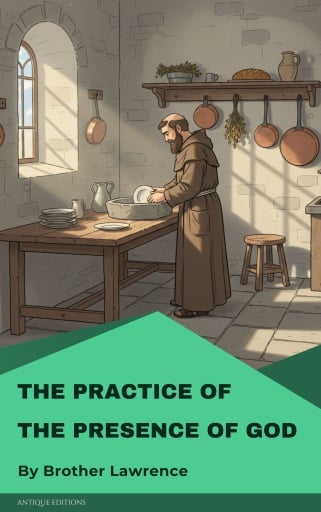
Find peace with God in the middle of everyday life — a beloved Christian devotional classic.

A journey of faith that has inspired millions — one of the most influential works of Christian literature.
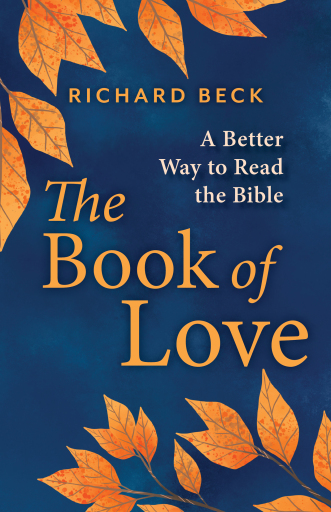
Psychologist Richard Beck reimagines how we read the Bible through the lens of love, blending theology and personal n...