The Book That Forced a Nobel Winner to Say No: Doctor Zhivago Returns in a New Spanish Edition
In 1958, the Swedish Academy called Boris Pasternak at his dacha in Peredelkino to tell him he had won the Nobel Prize in Literature. He was, by all accounts, briefly happy. Then the Soviet state spoke.
The pressure that followed — from the Writers' Union, from the Kremlin, from colleagues who understood what defiance of the state meant — ended with a telegram to Stockholm: "In view of the meaning attached to this award by the society in which I live, I must decline." Pasternak died two years later, in 1960. He never saw Doctor Zhivago published in his own country. That did not happen until 1988.
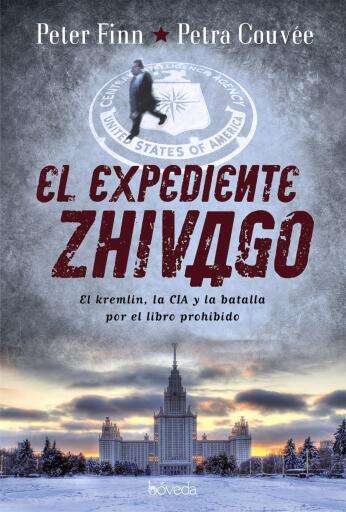
Now Feltrinelli — the same Italian publisher that, in 1957, received a manuscript smuggled out of the Soviet Union and gave the world Doctor Zhivago in defiance of Soviet demands to return it — has released a new Spanish edition of the novel. There is something fitting about this. Giangiacomo Feltrinelli understood, as few publishers have, that books can be acts of resistance. The story of that original publication is told in forensic detail in El expediente Zhivago, by Peter Finn and Petra Couvée: a Cold War thriller in which a novel plays the lead role.
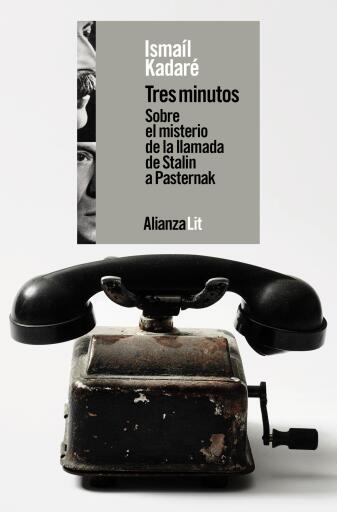
Pasternak's novel is not, strictly speaking, a political work. It is a love story, and a meditation on history, fate, and the survival of the individual soul through catastrophe. Yuri Zhivago and Lara are caught not by ideology but by time — by the terrible accident of living through events that larger forces decide. That the Soviet state found this threatening says rather more about the Soviet state than about the novel. Ismaíl Kadaré, who survived his own impossible relationship with Albanian communism, once explored the strange triangle between Stalin, Pasternak, and literature in his essay Tres minutos.
The book deserves reissues. Not because it is perfect — Pasternak was above all a poet, and the narrative has the loose architecture of someone who thinks in images rather than in plot — but because its central question has not aged. What does it cost a person to remain true to themselves when everything around them demands otherwise?
There is a particular kind of melancholy in reading about a Nobel Prize that had to be returned. It is not quite like any other literary loss. One thinks of what Pasternak might have said in Stockholm, had the state allowed it; of the speech that was never given, echoing somewhere still.