John of John: Douglas Stuart Returns, and the Question Is Whether the World Is Ready
Quick test: how many times have you seen this? A writer wins the Booker Prize with their debut, the literary world loses its mind, and then the second novel arrives with the weight of a lorry-load of expectations. Sometimes it crushes the book. Sometimes it doesn't.
Douglas Stuart won the Booker in 2020 with Shuggie Bain — if you haven't read it, you owe literature a debt — a novel about a boy in Glasgow caring for his addicted mother in Thatcher's Scotland. It was brutal, it was beautiful, the kind of book that leaves you physically exhausted from feeling so much. He spent ten years writing it. It was rejected 44 times. The kind of story that sounds like a Netflix pitch except that it's true.
Now comes John of John (Grove, May 2026). No Shuggie. No the mother. Different characters, but with what early readers describe as Stuart's specific intensity intact: the ability to construct human beings who are neither heroes nor villains, just people — damaged, loving, lost — in circumstances that exceed them.
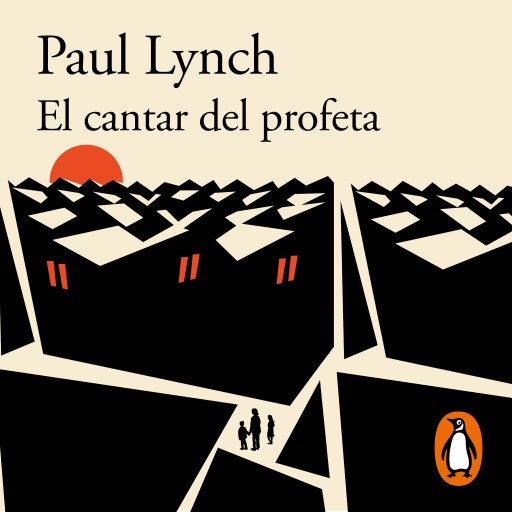
The Booker-winner-second-novel phenomenon deserves attention. Paul Lynch won the Booker in 2023 with Prophet Song, a dystopian novel about Ireland that leaves you breathless, and arrived to his Booker with four prior novels already written. Stuart comes to his second as one of the most watched writers on the planet.
So — is it good?
The honest answer: nobody knows yet. Early readers speak of «deeply specific characters», of prose that «captures profound human truths», of something that confirms Shuggie Bain was no accident. But «early readers say nice things» is exactly what gets said about every Booker winner's second novel. The book just came out. Give it a few weeks.
What I do know: when a writer spends ten years building a world before anyone reads it, and that world then wins the biggest prize in English-language fiction, and then he takes five more years to write the next one — that writer is not playing games. He's working. And in this ecosystem of books-in-six-months-or-lose-the-contract, that alone is a statement worth recognising.