Dungeon Crawler Carl Is Number One. What Does That Mean?
There is a passage in Knut Hamsun's Hunger — the narrator refusing charity, starving with a kind of furious pride — that has always struck me as the purest statement of literary self-determination. I return to it now, perhaps incongruously, while reading that Matt Dinniman's A Parade of Horribles, the eighth installment in the Dungeon Crawler Carl litRPG series, debuted this week at number one on the Publishers Weekly fiction bestseller chart.
LitRPG — a genre that blends the mechanics and language of role-playing video games with fantasy fiction — has existed for decades at the margins of anglophone publishing, popular in Eastern European markets, sustained by dedicated readers who found it through ebooks and fan communities long before it registered with traditional houses. Dinniman built his following outside those houses entirely: through Patreon, direct ebook sales, audiobooks. Now he has four titles simultaneously on the same bestseller list, and his first seven hardcovers have combined sales of 1.6 million copies. The mainstream market did not discover him. He arrived on his own terms, with leverage accumulated over years.
What strikes me about this moment is not the genre itself — litRPG raises questions I am not fully equipped to answer about narrative structure, about what fiction owes its readers, about the relationship between story and game — but the mechanism. The path from dedicated niche to bestseller list no longer requires a gatekeeper to open the door. The door simply moved.
I find myself thinking of the Danish concept of hygge, that quality of warmth and collective belonging. What litRPG readers describe when they talk about the genre sounds something like that: immersive, communal in an online sense, capable of generating the kind of sustained attention that literary culture once claimed as its exclusive territory.
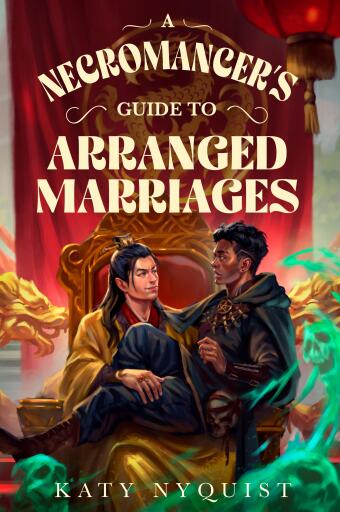
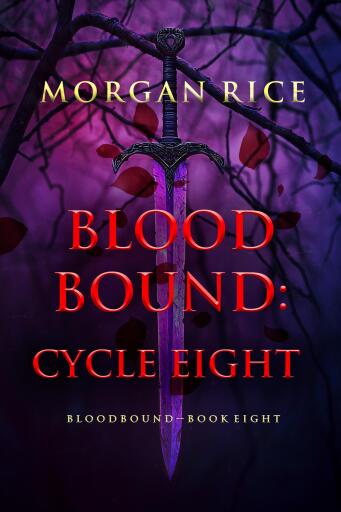
A culture's bestseller lists are not its aesthetic judgments; they are its hungers. If you want to understand what a society fears and desires, read what it reads when no one is telling it what to read. For readers curious about the serialised fantasy that this moment is celebrating, A Necromancer's Guide to Arranged Marriages by Katy Nyquist or the long-running Bloodbound series by Morgan Rice offer their own entry points into the world Dinniman has brought into the mainstream conversation.
Dungeon Crawler Carl is not literature in any sense Hamsun would recognise. But perhaps that is entirely beside the point. What did the hunger mean, in Hamsun's novel? Not just deprivation. Refusal. Pride. The insistence that one's own terms are the only terms worth accepting. There is, perhaps, something of that in this story too.