Six Young Writers on the Dylan Thomas Prize Shortlist
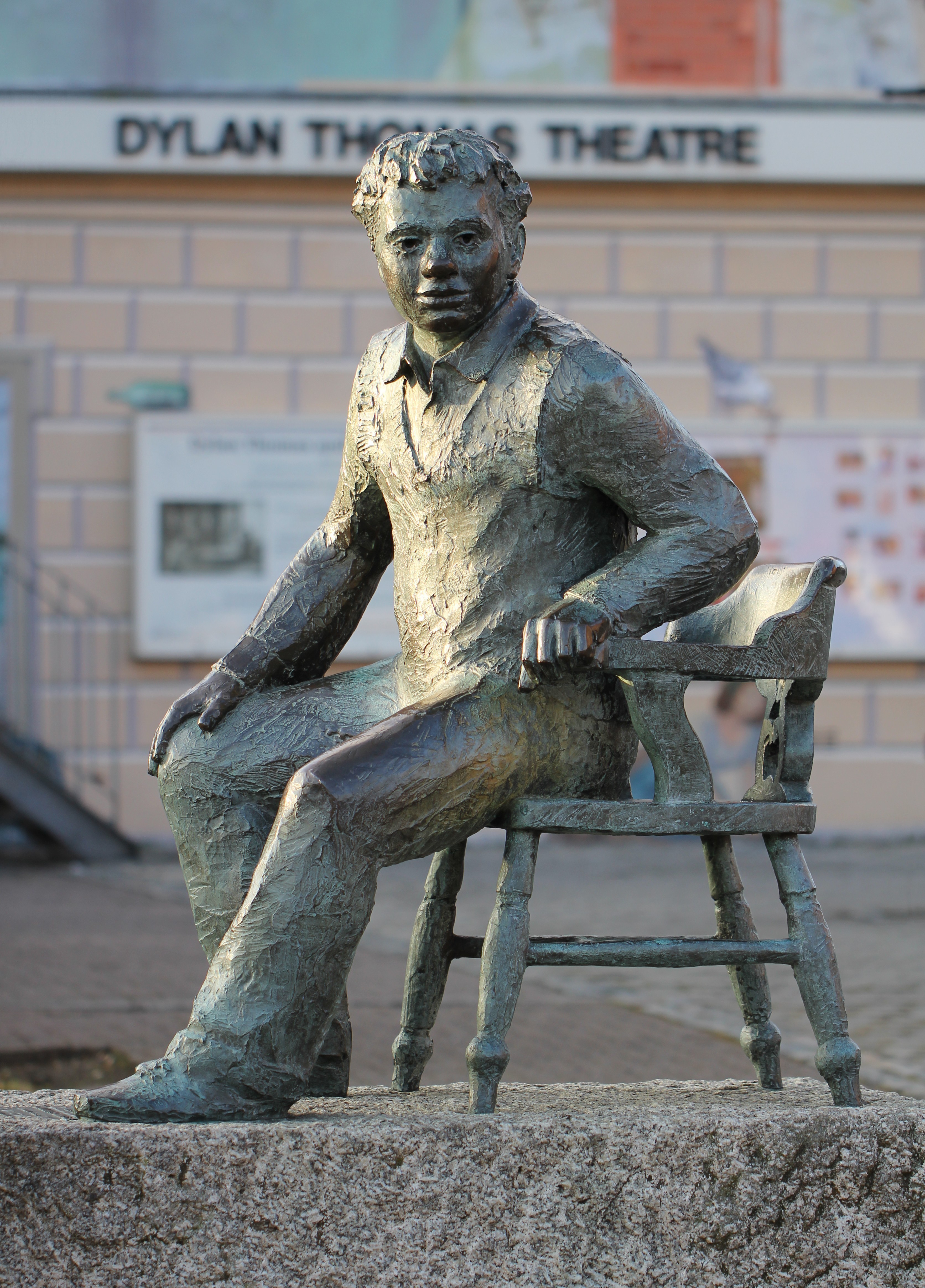
There is something quietly revealing about a prize that requires its writers to be under forty. The assumption is that youth is a category of promise rather than achievement — that the work matters less than the potential it announces. And yet the 2026 Dylan Thomas Prize shortlist, announced this week, reads less like a document of potential than a record of six writers who have already found their voices.
The six titles span poetry and fiction. Harriet Armstrong's To Rest Our Minds and Bodies arrives with the kind of quiet ambition that tends to unsettle book pages looking for an easier story. Colwill Brown's We Pretty Pieces of Flesh — a novel whose title manages to be both tender and unsettling — follows. Seán Hewitt, better known as a poet, enters with his debut novel Open, Heaven. Derek Owusu's Borderline Fiction continues the kind of formal experimentation his previous work explored. On the poetry side, Sasha Debevec-McKenney's Joy is My Middle Name and Suzannah V. Evans's Under the Blue complete the list.
Worth £20,000, the prize was established at Swansea University to honour the legacy of a poet who died at thirty-nine — which gives the age limit a biographical logic other youth prizes tend to lack. The judging panel includes Irenosen Okojie, Joe Dunthorne, and Eley Williams. The winner will be announced on May 14, on International Dylan Thomas Day.
What strikes me, reading through the shortlist, is the preponderance of work concerned with bodies — damaged, transformed, precarious, contested. This is perhaps inevitable in an era when the body has become so explicitly political. But the writers here approach the subject with varying degrees of directness: Hewitt obliquely, through spiritual language; Brown confrontationally, through the sheer texture of the prose.
Whether this constitutes a coherent moment in British writing or simply a set of coincidences that a prize has gathered under one roof is a question these things tend to answer better in retrospect.