The Edgars 2026: Robert Crais Takes Best Novel, Lee Child Named Grand Master
By some measures, the Edgar Allan Poe Award has existed longer than the modern paperback. Since 1954, the Mystery Writers of America have handed out these silver-plated daggers — styled after the bust of Poe, who died in Baltimore in 1849 under circumstances that remain, appropriately, unclear — and the ceremony has traditionally managed to be both the most glamorous night in crime fiction and the most charmingly understated event in American letters.
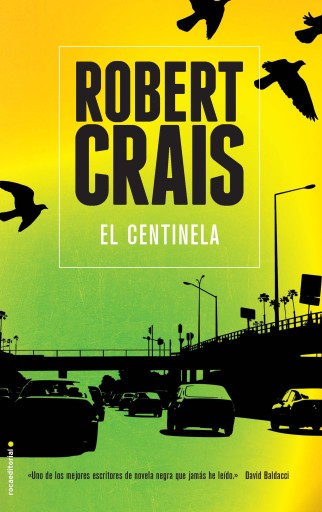
This year's winner for Best Novel is Robert Crais, for The Big Empty (G.P. Putnam's Sons). Crais, the Los Angeles-based writer behind the Elvis Cole and Joe Pike series, has been producing lean, atmospheric crime fiction since 1987 — novels that understand both the pleasures of the genre and the way a city shapes the people who inhabit it. That he prevailed over a field that included Laila Lalami's The Dream Hotel and Scott Turow's Presumed Guilty is not a surprise; that the Edgars took this long to give him a Best Novel win certainly is.
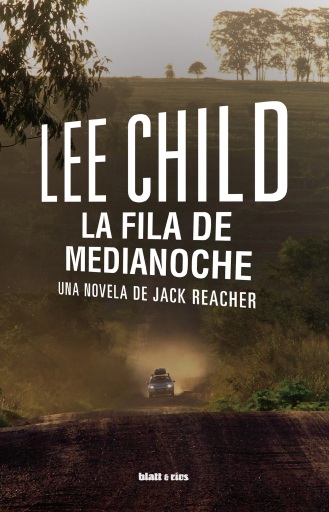
The evening's most significant recognition went to the two Grand Masters: Lee Child and Donna Andrews. Grand Master is the Edgar's lifetime achievement category, awarded to writers who have left a permanent mark on crime fiction, and Child's selection will surprise precisely no one. Since 1997, his Jack Reacher novels have sold over one hundred million copies in forty-nine languages — numbers that belong more to geological phenomena than to publishing statistics. Child built a protagonist with a moral framework that is almost comically simple and a competence that is absolute, and then wrote about him again and again in ways that somehow never grew dull. The formula sounds easy. Nobody else has quite managed it.
Donna Andrews, the other Grand Master, has been writing the Meg Langslow cozy mystery series since 1999 — currently extending to more than thirty novels, all centred on a Virginia blacksmith who keeps stumbling into murders. Andrews is beloved in the cozy community and frequently cited by other writers in the genre as a model of consistent comic timing and structural reliability.
Worth noting among the broader winners: Caroline Fraser's Murderland: Crime and Bloodlust in the Time of Serial Killers (Penguin Press) won Best Fact Crime. Fraser previously won a Pulitzer for her biography of Laura Ingalls Wilder, which suggests either a remarkably versatile mind or an unusually comprehensive understanding of the American capacity for violence. Perhaps both.
The Edgar ceremony in New York is always a reminder that crime fiction has a healthier relationship with its own history than literary fiction does — writers cite influences, celebrate each other, and generally behave as though being popular and being good are not mutually exclusive. They may be onto something.