
Is Prestige Fiction Dead? That Depends on Who You Ask

Quick question: when was the last time you read something that called itself 'prestige fiction' and didn't feel even slightly implicated in a social performance? As if the book required you to become prestigious just by opening it.
The Los Angeles Review of Books published a review this week of Evan Brier's Novel Competition: Cultural Economy 1965-1999 that essentially performs an autopsy on American literary fiction. The argument: the 'serious book' — the artifact that wins prizes, gets recommended by the right cultural supplements, appears on certain bookshop tables — lost its cultural centrality.
There are two ways to read that. The first: something broke in the contract between serious fiction and its public. The second, which I prefer: 'prestige fiction' was always a category built to exclude as much as include. Borges was popular in Argentina before he was canonized in the global north. Pizarnik wrote for a small audience and yet defined a form of sensibility that still resonates.
What does seem true: the categories are exploding. 'Literary', 'popular', 'genre', 'experimental' — all mixed in ways that make old taxonomies useless. Maybe that's the best thing that's happened in literature in a long time. Is that the death of something, or the beginning of something more interesting?
Recommended reads
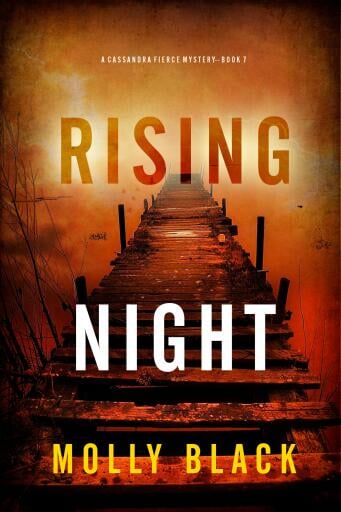
"Molly Black has written a taut thriller that will keep you on the edge of your seat… I absolutely loved this book and c
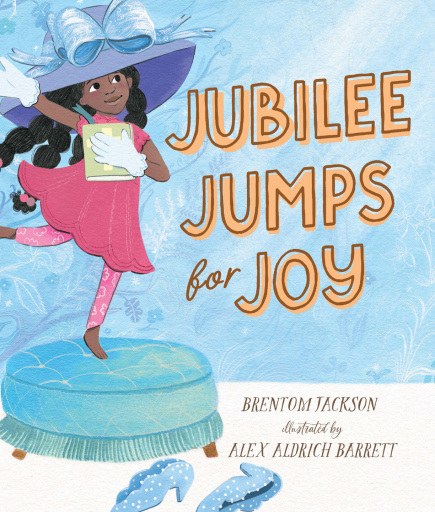
Ever since her beloved Grandma Mozelle passed away, Jubilee is determined to make Sunday morning praise breaks at Rise a
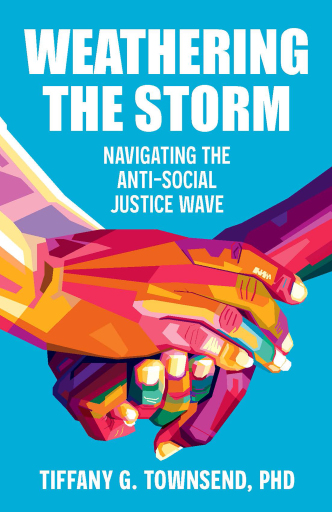
Weathering the Storm is a psychologist and DEI educator's guide to staying resilient in the face of social justice backl