The 2026 Aena Prize Finalists Reveal What Spanish-Language Literature Is Doing Right Now

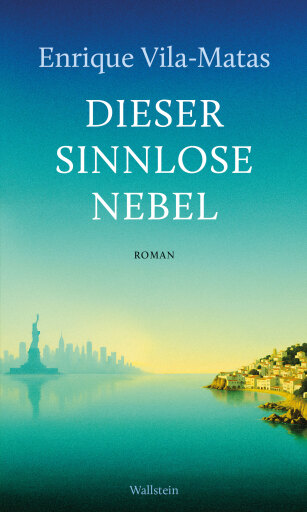
Wait. Read it again: Enrique Vila-Matas, Héctor Abad Faciolince, Nona Fernández, Giralt Torrente, and Samanta Schweblin. These are the finalists for the 2026 Aena Prize. Together. On the same list.
What do they have in common? Besides writing brilliantly, I mean. They occupy opposite ends of every map. Vila-Matas has spent decades as the great writer's writer of Spain, the kind of author who quotes Thomas Bernhard the way other people mention their neighbors. Abad Faciolince wrote one of the most painful and necessary books in recent Colombian literature. Nona Fernández builds worlds where the memory of Chile's dictatorship merges with pop culture and horror in ways that defeat every category. Schweblin is, simply, one of the great voices in Latin American weird fiction. Giralt Torrente does the very hard thing of writing about daily life as if it were urgent.
A prize that puts these five works in the same window display is saying something about Spanish-language literature: that it is more interesting, more diverse, and more transatlantic than certain critical camps want to admit.
The question I always ask about these lists is not who will win. It's: what conversation are these books having with each other? Put them in a room and let them talk — and I'd bet they're talking about trauma, memory, and what language can or cannot contain.
Recommended reads
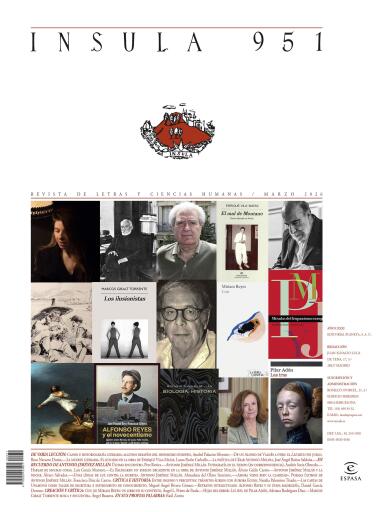
Misceláneo, marzo 2026. Ínsula n° 951, marzo de 2026 Anabel PALACIOS SILVESTRE / Canon e historiografía literaria: alg
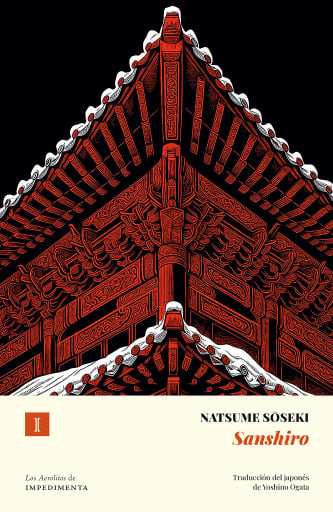
Sanshiro, de Natsume Sōseki, es uno de los retratos más finos y penetrantes del Japón que despertaba a la modernidad en