A Biography That Reinvents Biography: Francesca Wade Wins the Plutarch Award
There is a theory I hold, carefully, about the best biographies: they don't tell a life, they interrogate one. They ask what it means to narrate someone — whether it is possible to enter another consciousness, whether language can contain a person. This is what separates biography as art from biography as document.
On May 29, the Biographers International Organization awarded the 2026 Plutarch Prize to Francesca Wade for Gertrude Stein: An Afterlife. The Plutarch is the only international literary award for biography judged exclusively by biographers — not academics, not journalists, but the people who sit alone with archives and letters and wonder, with uncomfortable honesty, if they are getting anyone right. The committee called the book “a compelling original approach to Stein's life and work and, ultimately, our thinking about biography itself” — a “groundbreaking addition to the literary study of this iconic and controversial figure.”
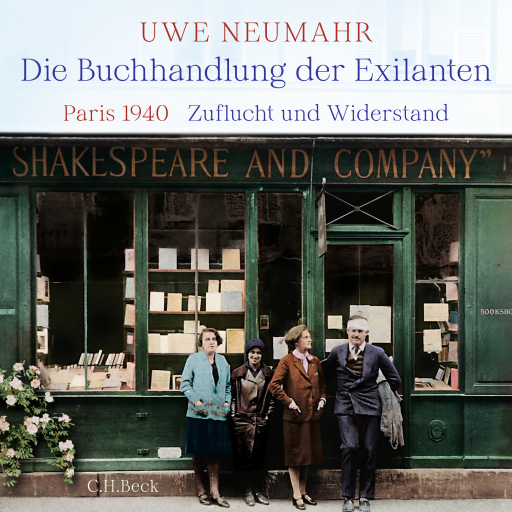
Gertrude Stein is a figure who resists easy categories. An avant-garde writer who fractured the syntax of English. Patron of Picasso and Matisse. Host of the most influential literary salon in 1920s Paris. A controversial figure during the Second World War who doesn't fit comfortably into any heroic narrative. To enter that world of narrow streets, extraordinary bookshops, and impossible encounters, there is a book I imagine open on the table beside this one: Die Buchhandlung der Exilanten by Uwe Neumahr, on the legendary bookshops of Adrienne Monnier and Sylvia Beach on the rue de l'Odéon — Stein's neighbors, accomplices in anglophone modernism at the heart of Europe.
Wade had already shown in Square Haunting — on the women writers of Bloomsbury — that what interests her is not the chronicle but the question: what remains of a life when someone else writes it? Gertrude Stein: An Afterlife radicalizes that question. It examines how Stein built her own myth — and how we continue to live inside that myth without noticing.
What moves me about this prize is that a jury of biographers has chosen to honor a book that questions the very genre they practice. For those who want to read more about the American women writers who built their own intellectual worlds in the twentieth century, The Group by Mary McCarthy — about eight Vassar graduates in 1930s New York — is where those voices sound at full force.
Wade is in her early thirties. The Plutarch Prize confirms what Square Haunting had already announced: there is a new generation of literary biographers who are not content with what is known. They want to understand how what is known keeps changing.