Gonzalo Celorio Accepts the Cervantes Prize: Mexico Arrives at Alcalá

Someone pressed a dog-eared copy of Gonzalo Celorio's essays into my hands on a rainy afternoon in Bogotá, the way you'd pass contraband. There was something in his prose unlike anything else: the way he moved between Mexico City and Latin American literature as if they were the same territory, as if mapping one inevitably meant mapping the other.
This week, Gonzalo Celorio traveled to Madrid to receive the 2025 Premio Cervantes — the highest literary distinction in the Spanish-speaking world. The ceremony takes place in the historic Paraninfo of the University of Alcalá de Henares, presided over by Spain's royal family. The symbolism is not accidental: Alcalá is the birthplace of Miguel de Cervantes, and the prize carries that name in earnest.
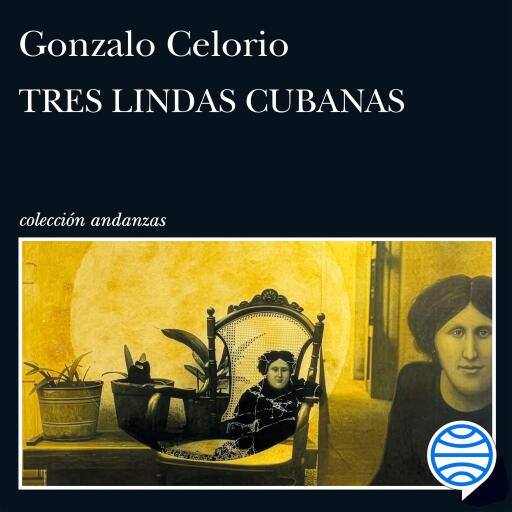
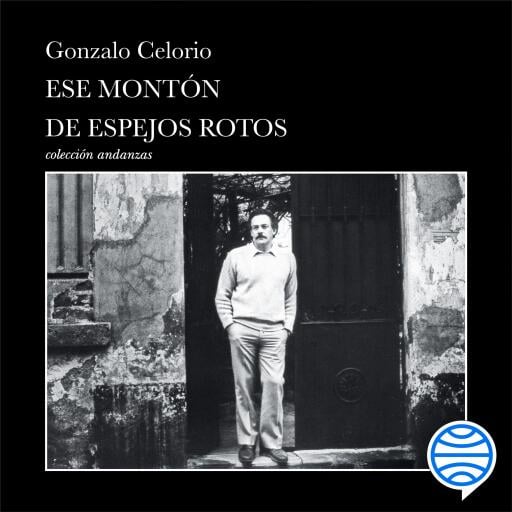
Celorio (Mexico City, 1948) is a novelist, essayist, and academic who served for years as director of UNAM's publishing house, one of Mexico's most important literary institutions. But what defines his writing is not his institutional position — it is something harder to pin down: a way of understanding memory, personal and collective and literary, as the essential material from which all fiction is built. Tres lindas cubanas, perhaps his most celebrated novel, follows a Mexican family through Havana across three generations, weaving the deep ties between two nations and two literatures that have always read each other. Ese montón de espejos rotos constructs an autobiography that is simultaneously an autobiography of Mexico City — the capital as it lived through earthquake and upheaval and survived its own contradictions.
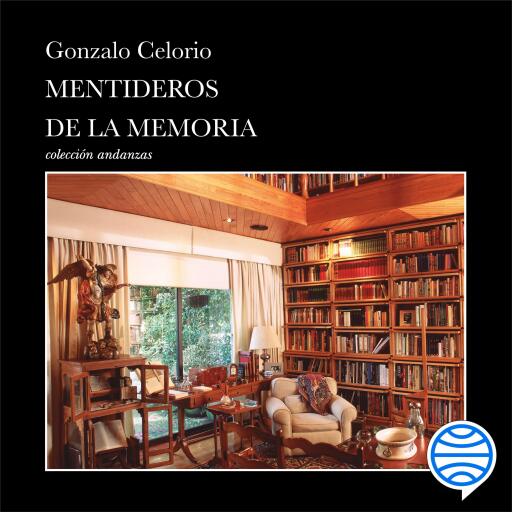
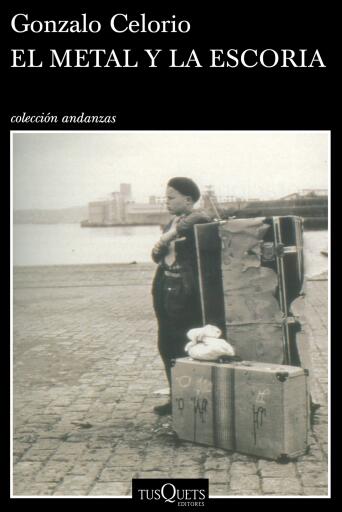
Mentideros de la memoria gathers his encounters with the giants of Latin American letters — Fuentes, García Márquez, Monsiváis — written with the warmth of someone telling stories for the pleasure of it. His most recent novel, El metal y la escoria, reconstructs the story of a family that contains within it much of Mexico's recent history.
The Cervantes Prize arrives at a moment when Spanish-language literature enjoys unprecedented global visibility. Honoring a writer who has spent decades understanding literature as collective memory — not as exportable product but as a way of knowing who we were before everything changed — feels like a quiet but important statement about what we choose to preserve. Read Celorio. Read someone who still believes books are the only honest record of where we've been.