133 Organizations Against a Ghost: HR 7661 and the Silence of Libraries

Picture this scene: a school library in Iowa, Kansas, anywhere in the American heartland. A ten-year-old girl is looking for a book. Not just any book: the one her friend recommended, the one about a family that looks like hers, the one with a character who feels things she doesn’t yet know how to name. That book is no longer on the shelf. Someone decided it was dangerous.
This is not dystopia. This is HR 7661, also known as the “Stop the Sexualization of Children Act,” a bill that has already passed the House Committee on Education and the Workforce and awaits a floor vote. The proposal prohibits federal education funds from being used in classrooms and school libraries containing materials deemed “sexually oriented.” What does “sexually oriented” mean? That’s the trick: vagueness is the weapon.
On April 13, 133 organizations — publishers, bookstores, libraries, education unions — signed a joint statement led by Authors Against Book Bans, the American Booksellers for Free Expression, and the ALA’s Office of Intellectual Freedom. Their argument is direct: HR 7661 “compels nationwide book censorship” and “confuses obscenity with identity.” Among the signatories: Penguin Random House (which also sent its own letter to Congress), Macmillan, Abrams Books, and We Need Diverse Books.
Sound familiar? It should. In Iowa, the Eighth Circuit already vacated two injunctions blocking a similar state law. In Florida, Texas, Missouri, banned book lists grow like mushrooms after rain. What HR 7661 does is take that logic to the federal level: no longer a county or a state, but the entire country.
The coalition argues that the law stigmatizes vulnerable populations — especially trans youth —, drains already underfunded library resources, and threatens educational creativity. But here’s the question nobody wants to ask: since when is a book on a shelf a threat? Since when does naming someone’s reality become “sexualization”?
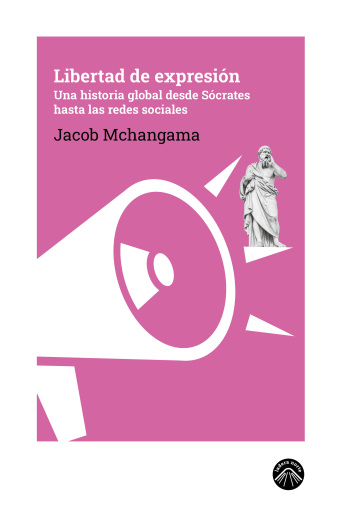
Jacob Mchangama says it better than I can in his essay Freedom of Expression: freedom of expression is the condition that makes democracy possible, but also its most fragile right. It breaks in silence, book by book, shelf by shelf, until one day the library is empty and nobody remembers exactly when it started.
133 organizations said enough. The question is whether anyone is listening.