Iowa Wins Its Library Fight. The Books Being Targeted Tell You Why.

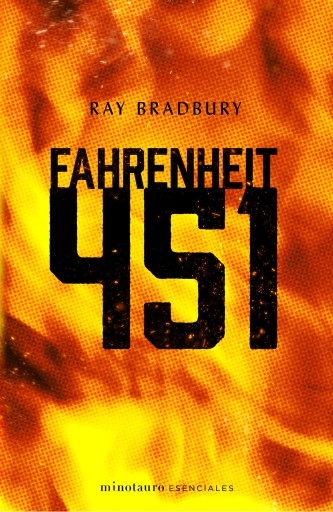
Ray Bradbury completed the first draft of what would become Fahrenheit 451 in nine days, on a rented typewriter in the basement of UCLA's Powell Library, at ten cents per half hour. He spent $9.80 to write a novel about a society that burns books. Iowa's Senate File 496 — which the U.S. Court of Appeals for the Eighth Circuit ruled this week may now be fully enforced — has taken a more bureaucratic approach to the same general problem.
The ruling, handed down on April 7, vacated two injunctions that had blocked the law. Senate File 496 bans books depicting sex from school libraries for students through sixth grade, and requires school officials to inform parents when a student requests to be addressed by a different name or pronoun. The ACLU, Penguin Random House, the Authors Guild, and four other major publishers had challenged it. They had won at the district court level, where a judge found the law's language "overly broad." The Eighth Circuit disagreed, ruling that it provides "adequate notice of what conduct it governs." The fight, as PRH's general counsel put it with admirable understatement, continues.
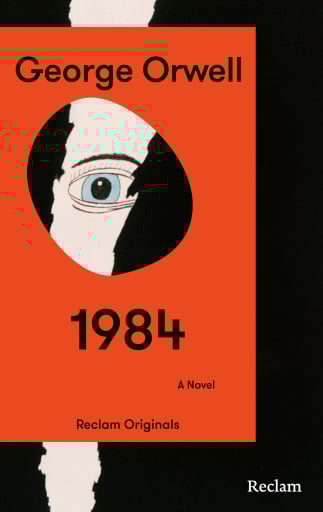
There is a venerable tradition in American culture — which is to say a tedious one — of each generation rediscovering that some books are dangerous. The specific dangers shift: moral degeneracy, communism, Satanism, now identity. What is striking about Iowa's law is its particular combination: content curation in the library on one hand, and mandatory parental notification of a student's expressed identity on the other. George Orwell, who knew a great deal about state control of language, wrote 1984; it is invoked so often in political discourse that it has almost ceased to resonate. The invokers, one suspects, are rarely quite this literal.
The books most urgently removed in these campaigns are never Wuthering Heights, or Updike's Rabbit novels, or the collected verse of Walt Whitman — all of which could alarm a sufficiently vigilant parent. The titles at issue are invariably those depicting queer lives, questioning identities, or presenting sexuality with any degree of nuance. The pattern tells you what is actually being protected, and from whom.
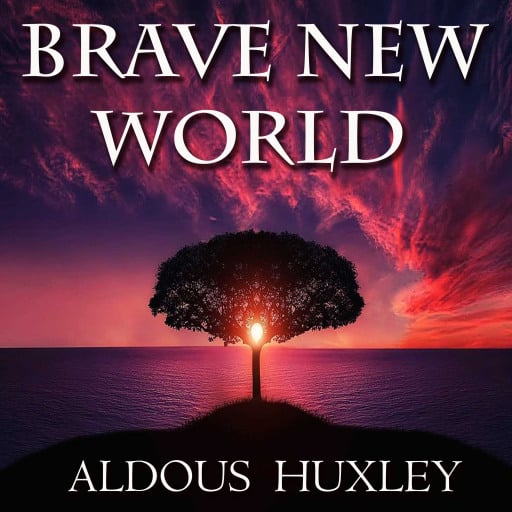
Aldous Huxley imagined, in Brave New World, a society that rendered books irrelevant not by burning them but by making its citizens too content and distracted to care. Iowa's approach is, if nothing else, less subtle than Huxley's dystopia — and considerably more confident that it knows precisely what children must not read, and why.
One wonders, idly, whether anyone thought to ask them.