Jodi Picoult Is Writing Another Novel, and Why That Still Matters
J
James Whitmore
·
3 min read
Jodi Picoult has announced another novel. This is something she has done, with clockwork reliability, roughly every one to two years since 1992, and it would be easy — perhaps even tempting — to greet the news with a weary nod. Fall 2026, no title revealed, no subject hinted at. Just the mechanism of it, the machine running again.
But let's be honest with ourselves for a moment. The contempt that literary fiction has historically reserved for Picoult is one of the more peculiar forms of snobbery in contemporary publishing. She has sold over 40 million books worldwide, been translated into 34 languages, and devoted the better part of three decades to stories about moral ambiguity, contested justice, and the private catastrophes of ordinary families. Her work is not Updike. It is not Ali Smith. But neither is it vapid.
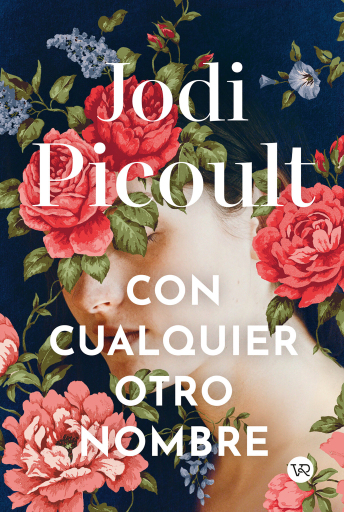
Her most recent novel, By Any Other Name — in which she built an entire alternate history around Emily Bassano as the true author of Shakespeare's plays — was, if nothing else, a piece of genuinely imaginative historical fantasy disguised as popular fiction. You could read it as a thriller or as a long feminist essay on authorship and erasure. Picoult tends to make this kind of thing work, and it is mildly infuriating that she does.
The announcement of a new fall novel carries a particular weight in 2026, a year when publishing has been demonstrably skittish: layoffs at Bloomsbury, imprint closures at FSG, union drives at houses that were supposedly too cultured for such things. Picoult moves copies. That's not nothing.
There is a kind of fiction that people read in the real world — on trains, at the dentist, on holiday in places without Wi-Fi — and it is largely not the fiction that wins literary prizes or earns laudatory essays in the London Review of Books. Picoult exists in that world with a degree of mastery that ought to command more respect than it receives. She writes about mothers and daughters, medical ethics, school shootings, institutional racism. Not subtle subjects. But not lightweight ones, either.
What we know about the new novel is essentially nothing: a fall release, a publisher still sitting on the details. Which is, come to think of it, rather clever. Picoult doesn't need to tell you what the book is about. Her name on the cover is its own argument.
She will be on bestseller lists. People who don't normally read will read it. Book clubs will read it. Someone will adapt it. And somewhere in the literary world, a critic will write five paragraphs explaining why this doesn't quite count.
That critic will be wrong, of course. But they'll be very elegantly wrong.
Also on our shelves