The Prize That Listens: Julia Elliott and Hellions Win the Carol Shields Award
Some prizes arrive as belated recognition. Others function as a searchlight. The Carol Shields Prize for Fiction, which carries a $150,000 award, is the latter: since its founding, its explicit purpose has been to illuminate voices of women, nonbinary, and trans writers from the United States and Canada who deserve wider readership. This week, that light fell on Julia Elliott and her story collection Hellions.
The title alone says something. Not stories, not tales: hellions — minor demons, creatures that won't stay put. Elliott, a South Carolina writer who has spent years building a strange and powerful body of work, published her first collection, The Wilds, more than a decade ago. Since then she has cultivated a fiction where the American Southern Gothic meets something older and harder to name. Hellions is her return to the short story as form, and the Carol Shields jury has recognized it with a figure that commands attention: $150,000, among the largest prizes in North American literature.
Thinking about Carol Shields helps me understand the choice. Shields, author of The Stone Diaries (which won the Pulitzer in 1995), was a writer who never did what was expected: she took domestic life and made it luminous without romanticizing it, treated ordinary women as the world's protagonists. The prize bearing her name looks for that same unashamed honesty.
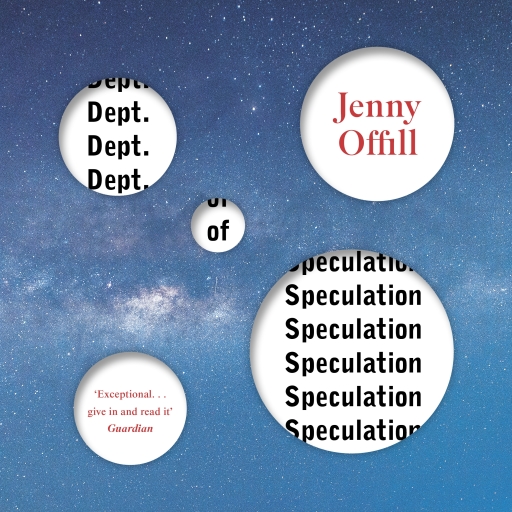
The short story needs no apologies in Latin American literary tradition — Cortázar, Rulfo, Lispector wrote stories that burn. In the Anglophone publishing world, the story collection has historically had less prestige than the novel. Certain books have pushed back against that — Dept. of Speculation by Jenny Offill rewrote what could be said about love and failure in under 200 pages — and Hellions arrives with the ambition to do something similar in pure short fiction form.
I haven't read Hellions yet — the copy hasn't reached Barcelona — but I trust a jury that prizes strangeness over propriety. And the book's name tells me Julia Elliott isn't looking for propriety either.