Yasmina Khadra Takes His Pen to the Cartel: 'Amor Sicario' and the Devil in Paradise
Wait. An Algerian writer born in 1955 publishes a crime novel set in Mexico. Worth repeating, because literary news sometimes lands like that: Yasmina Khadra—pen name of Mohamed Moulessehoul, former Algerian army officer—arrives with Amor Sicario, and the immediate question is: does this man have anything to say to the narco world? To love lived under the shadow of the cartel? To Mexico?
If you know Khadra's work, the answer is yes. Always yes.
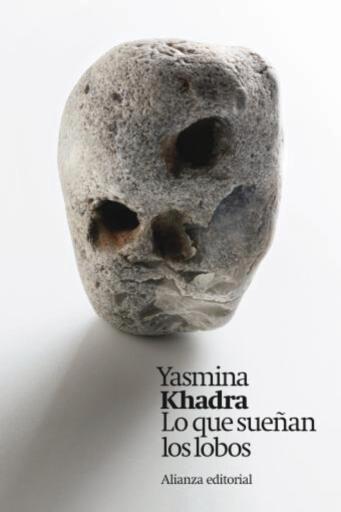
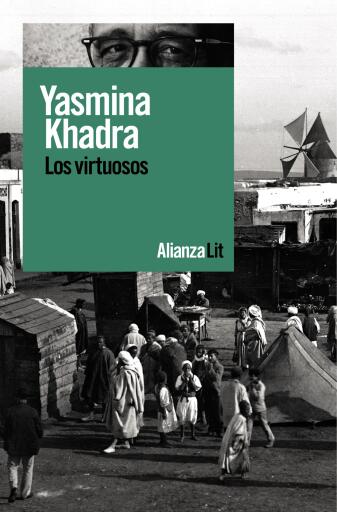
Khadra has spent decades building a universe where violence isn't decoration but language. In What the Day Owes the Night he climbed inside the head of a young man radicalizing in 1990s Algeria—a book published in 1999 when no one wanted to hear about fundamentalism—with a precision that leaves you speechless. In The Virtuoso he explored the moral paradoxes of war and faith. Khadra's own words about the new novel—"crime fiction forces us to invent the devil even in paradise"—describe exactly what he's always done.
But Mexico? Why Mexico?
There's something Arab world writers and Latin American writers share: an intimate relationship with State collapse, with violence that has first and last names, with love that survives anyway at the margins. The choice isn't exotic. It's logical. What Khadra knows about Kabul, about Algiers, about spaces where the only law is the law of the strongest, translates directly to the Michoacán that shows up in the news every week. Crime fiction has no geographic borders. It has moral ones.
That's what makes Amor Sicario a real promise: not the spectacle of an Algerian writing about hitmen, but the possibility of someone who knows how to narrate violence from the inside doing it in a new landscape. The devil speaks Spanish too. And sometimes falls in love. If you haven't entered Yasmina Khadra's universe yet, this might be the moment.