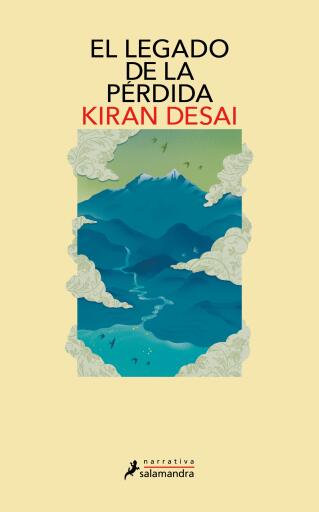
Kiran Desai Returns After Twenty Years With a Novel About Impossible Love
Some books stay with you in a physical way — in your palms, in the particular memory of where you were when you read them. I first read Kiran Desai's The Inheritance of Loss on a train heading south, and I finished it on another heading back, and at no point was I able to set it down. It was 2007, and Desai had just become the youngest woman to win the Man Booker Prize. She was twenty-five.
Then came the silence.
Twenty years is a long time to wait for a second novel. Long enough to accept, with the practiced resignation that readers develop, that perhaps that first extraordinary book was everything. And then, almost without announcement: The Loneliness of Sonia and Sunny arrives. Kiran Desai is back.
By all accounts of those who have already read it, the novel is a love story that refuses comfort. Sonia and Sunny are two people trapped in the impossibility of being together and the equal impossibility of being apart. Desai brings the same clinical precision she applied to grief and displacement in her debut and adds something darker: the understanding that solitude is not always cured by company. Sometimes, quite the opposite.
The literary world has taken notice. Shortlisted for the 2026 Man Booker Prize, the novel has appeared on nearly every major year-end list before the year has even ended. It is the kind of story that exhausts prize juries and devastates readers with equal efficiency.
I think about what it means to return with a second novel after two decades. Elena Ferrante grew fiercer with every return after her years of silence. Clarice Lispector wrote as though every sentence might be her last. Desai belongs to that lineage of writers who do not publish to stay visible, but because they can no longer stay quiet. Those twenty years were not delay — they were accumulation.
There is something that moves me particularly about this return: that The Loneliness of Sonia and Sunny is, by those who know it, a love novel that does not flinch from pain. That does not reach for consolation. That sits at the edge of the wound and holds your gaze. That is exactly what The Inheritance of Loss did twenty years ago, and it is what distinguishes Kiran Desai from almost everything being published today: every word feels necessary, and the book, when you finish it, registers as a loss of your own.
Read it. Before anyone tells you how it ends.