The 2026 Lambda Awards: When Queer Literature Refuses to Be Quiet
I remember the first time I read a writer who named her own body without apologizing. A cheap edition, the spine cracked, the pages with that texture books get when many hands have held them. I didn't know then that the book was teaching me something about the value of existing out loud.
On Friday evening, at Sony Hall in New York, the Lambda Literary Foundation presented its annual awards — the Lammys, as those who have been celebrating them since 1989 call them. And this year's ceremony was marked by names that deserve to stay in the memory.
Lidia Yuknavitch won in the Bisexual Nonfiction category with Reading the Waves, a work in which the author of The Chronology of Water — that book many of us read as both balm and hammer — returns to her most intimate territory. Jennifer Finney Boylan received her second Lammy for Cleavage: Men, Women, and the Space Between Us, more than twenty years after She's Not There. That is a career. That is persistence in its purest form.
What especially moves me this year is that the prizes in transgender and lesbian fiction went to new voices. Milo Todd won for The Lilac People and Kat Dunn for Hungerstone. These are novels that haven't yet reached every Spanish-language bookshop, but they already circulate in that porous space where readers whisper recommendations to one another. Charlie Porter won in Gay Fiction with Nova Scotia House and Demree McGhee in Bisexual Fiction with Sympathy for Wild Girls.
LGBTQ+ literature is not a separate genre: it is a way of inhabiting language. It is what happens when someone writes from a place the world has tried to silence. It is the closest thing I know to the act of resistance Clarice Lispector described on every page she wrote: writing without asking permission.
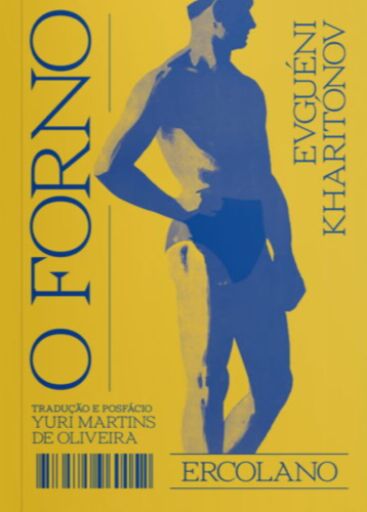
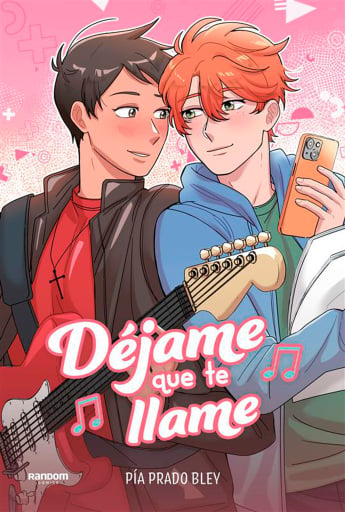
In our catalog you will find O Forno by Evguéni Kharitónov, one of the most important narratives of Soviet queer literature — translated directly from the Russian for the first time. And if you prefer something born closer to home, Déjame que te llame by Pía Prado Bley is a queer love comic that will keep you company for hours.
The Lammys are, among other things, a reminder that this literature exists, that it has not stopped growing, that readers are waiting with open arms. So am I.