Maryse Condé Speaks from the Other Side: Her Posthumous Novel Arrives in France

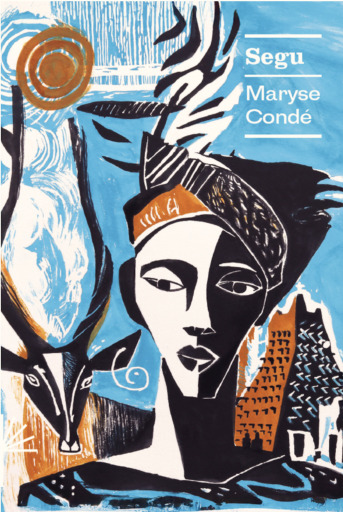
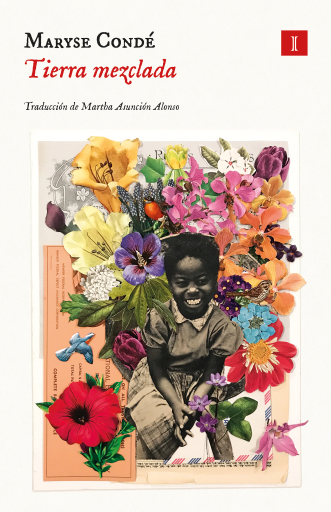
Maryse Condé died in 2024. She had won the alternative Nobel — the Nobel Prize of the Swedish Academy of Literature when the official Academy was in crisis — and had spent decades as the most powerful voice in Caribbean literature in French. Now, this week, her posthumous novel arrives in French bookshops. And I am not sure exactly how to feel.
There is something profoundly contradictory about the posthumous book. On one hand, it is a gift. The manuscript exists; the author finished it; it would be cruel to leave it in a drawer. On the other hand, publishing the dead is always an act of interpretation. The book that reaches bookshops is not exactly the book the author would have published: someone chose when to release it, how to present it, what to say on the jacket. The publisher makes decisions the writer can no longer make or correct.
In Condé's case, the situation is cleaner than in many others. The manuscript was finished. This is not the case of Kafka's fragmented notebooks or Foster Wallace's incomplete drafts. There is a novel, complete, ready. What we ask ourselves then is not whether it should be published — of course it should — but what kind of reading it deserves.
Condé was a writer who never wrote from comfort. Her novels traverse slavery, colonization, witchcraft, displacement. She had the habit of placing her characters in situations of maximum historical pressure and watching how they responded without asking anyone's permission. She was brutal in the most generous way. The best tribute we can pay Condé is to read the book as if it were any other of her books: with attention, without pity, with the willingness to be uncomfortable.