From Mickey Haller to Detective Stilwell: Connelly’s America Keeps Getting Filmed
Somewhere in the contract negotiations between Michael Connelly and David E. Kelley, someone must have said the words “artistic synergy” unironically. The result of their renewed partnership is Welcome to Catalina, HBO Max’s upcoming series based on Connelly’s 2025 novel Nightshade — a departure from the Los Angeles streets of Harry Bosch toward the salt air of a California island.
Detective Stilwell, who first appeared in Nightshade and returned in this year’s Ironwood, investigates a Jane Doe pulled from Catalina Island’s harbor. It’s the kind of premise that sounds, on paper, like a hundred other crime procedurals. Which is precisely what Connelly has spent thirty years proving wrong.
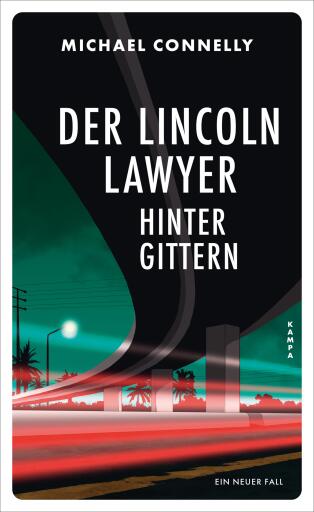
Kelley, who previously built Netflix’s The Lincoln Lawyer into one of the streaming era’s more reliable crime exports — four seasons, a fifth confirmed — is an obvious choice. He knows the Connelly universe. He knows how to make procedural television that doesn’t insult its audience. That’s rarer than it sounds.
What interests me is the quieter implication of all this. Connelly has become, essentially, the most successfully adapted crime writer of his generation. Not the most celebrated — that argument belongs to Cormac McCarthy or Don Winslow, depending on your mood — but the most systematically converted into images. Bosch ran for seven seasons. The Lincoln Lawyer is approaching its fifth. Now Nightshade. The novels that launched the television run began, like all of Connelly’s best work, as books that understood how institutions actually function — courts, police departments, the grinding machinery of justice — and then found the human beings trapped inside them.
Crime fiction, at its best, has always been social criticism wearing a plot. Dickens knew this. Raymond Chandler built a career on it. The reason Connelly’s work adapts so well is that its social architecture is already cinematic — not because the prose is visual (it isn’t, particularly), but because the systems he describes are ones we recognise, fear, and find ourselves unable to look away from.
Whether Welcome to Catalina will be better or worse than what came before it is a question worth asking in approximately 2027, when it presumably arrives. For now, the announcement mostly confirms what readers of crime fiction have known for years: Connelly’s Catalina is a long way from Los Angeles, but his America is always the same America.
An island in the sun. A body in the harbour. Someone has to answer for it.