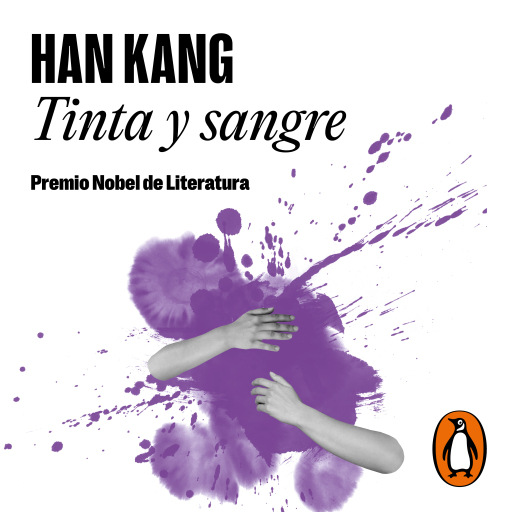
Han Kang Wins the NBCC Fiction Prize, and Other Literary Inevitabilities

There is a certain comedy in prize culture: a novelist wins the Nobel, and then, eighteen months later, the critics' associations work their way around to agreeing. Han Kang's We Do Not Part, translated from Korean by e. yaewon and Paige Aniyah Morris, won the 2026 National Book Critics Circle Award for Fiction on March 26 — a result that surprised no one who had been paying attention, and which suggests that literary consensus, when it finally forms, is thorough.
The NBCC is, in my view, the most credible of America's literary prizes. Critics vote, not celebrities or committees tasked with representing something. The result is that you tend to get books that have been genuinely read, rather than books that sound good in a press release. We Do Not Part is set partly in the aftermath of the 1948 Jeju massacre in Korea — one of the twentieth century's most suppressed atrocities — and is a novel about grief, historical memory, and the particular silence that falls over catastrophe when the powerful decide it should not be spoken of. It is a very quiet book about a very loud subject.
What the NBCC specifically gets right this year is naming the translators. e. yaewon and Paige Aniyah Morris share the Fiction prize credit in a way that the Nobel does not always manage so elegantly, and the translation prize — the Barrios Book in Translation Award — went to Neige Sinno's Sad Tiger, the devastating memoir about childhood sexual abuse that has been shortlisted across Europe. When a prize circuit notices translation, it is at least a start.
The rest of the 2026 slate makes for interesting reading. Karen Hao's Empire of AI: Dreams and Nightmares in Sam Altman's OpenAI won Nonfiction, which means that the most celebrated piece of literary nonfiction this year is about a technology company. Quinn Slobodian's Hayek's Bastards won Criticism — a book that does exactly what it says. Arundhati Roy, whose presence this month is beginning to feel statutory, took Autobiography for Mother Mary Comes to Me. She was also shortlisted for the Women's Prize for Non-Fiction, which announces its winner in June. It is a good year to be Arundhati Roy.
Han Kang's fiction does not need more prizes. It needs more readers. The NBCC, to its credit, may help with that — though in a media landscape where literary novels compete for attention against everything else, a prize announcement is a brief window rather than a guarantee. Whether We Do Not Part finds the audience it deserves, rather than simply the audience that already knew it deserved a prize, is the question that will matter more in five years than the award itself.