The Book Octavia Butler Wanted Forgotten Is Coming Back
What do you do with a book the author did not want to exist?
This week, Kirkus Reviews confirmed that a novel by Octavia E. Butler — kept off the market for decades, partly at her explicit request — is going to be reissued. The announcement landed with the weight of something inevitable: sooner or later, the archives win. Authors die. Publishers calculate.
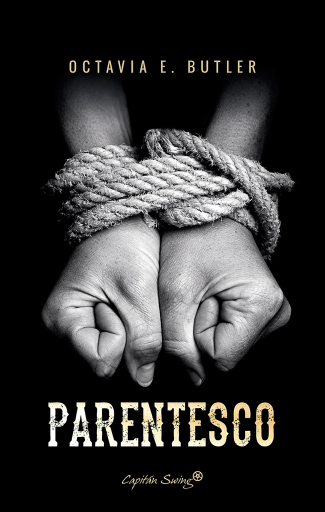
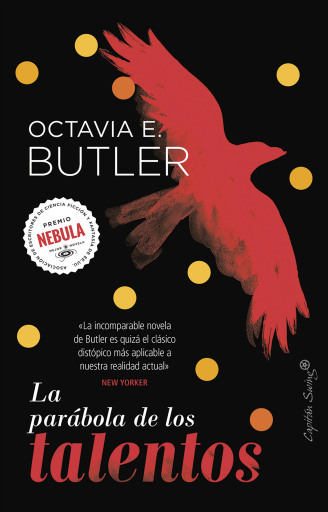
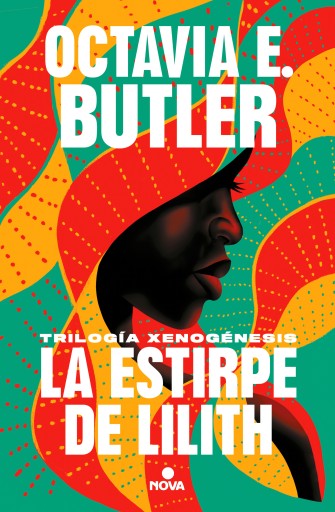
Butler died in 2006 and left behind a literary universe that has gained readers every year since: Kindred, that brutal and necessary time-travel novel that functions as surgery on historical memory; the Parable saga, prophetic to the point of vertigo; the Xenogenesis trilogy, with its uncomfortable question about what survival means when it requires merging with the enemy. Butler wrote about power, body, and race with a precision that still stings.
The novel in question — Survivor, her third published book, from 1978 — is the black sheep of the Butler catalogue. She publicly disowned it, considering it her weakest work and refusing to include it in any anthology or reissue of her fiction from the mid-1980s onward. The official reason: it violated her own rule against allowing human characters to escape to alien worlds as a resolution to conflict. The unofficial reason, which anyone can infer from her interviews: it embarrassed her.
And here is the genuine problem, and also the genuinely interesting question: does a reader have a right to a text that its author chose to withdraw? Is publishing Survivor now a betrayal of Butler, or simply the inevitable course of the literary canon, which always consumes more than the author wanted to give? Think of Kafka and his instructions to burn the manuscripts. Think of Borges furiously revising his juvenilia. The history of literature is also the history of everything writers tried to hide and could not.
What can be said with confidence is this: many people will read Survivor precisely because of this story. Not because the novel itself justifies the attention — we will have to see — but because it represents the forbidden zone of one of the twentieth century's most important science fiction writers. That is not a decision any publisher makes. It is a decision made by the curiosity that is the first cousin of literary love, even if nobody likes to admit it.