Between the Evidence and the Story: Patricia Cornwell Steps into Memoir
There is a question that tends to surface when writers of crime fiction turn toward autobiography: to what extent has the fiction always been memoir, and to what extent was the memoir always there, waiting? Patricia Cornwell has spent more than three decades writing Kay Scarpetta, the forensic pathologist who processes death with a systematic rigor that is also, if you read carefully, a form of grief management. In discussing her new memoir, True Crime, on the Kirkus "Fully Booked" podcast, Cornwell begins to illuminate the distance — and the intimacy — between the creator and her most famous creation.
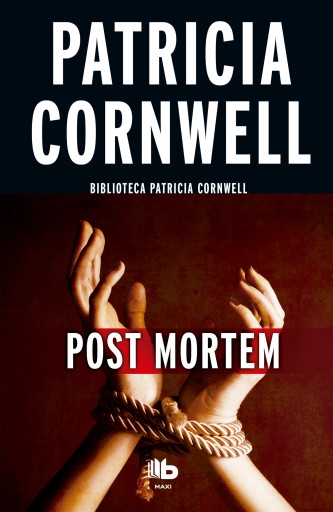
The Scarpetta novels beginning with Post Mortem in 1990 were, among other things, a procedural revolution: the forensic laboratory as literary setting, the female expert as protagonist before this was a television trope, the body on the table as a site of moral reckoning rather than mere plot mechanics. Cornwell famously embedded herself in medical examiner's offices and law enforcement agencies to get the details right. She spent years as a police reporter before turning to fiction. The question of where the research ends and the personal begins has never been entirely simple.
What does it mean to write a memoir when you have spent decades writing someone who processes violence professionally? Knausgård wrote six volumes of My Struggle without ever leaving himself much room for concealment. The confessional writer and the crime writer might seem like opposite creatures — one turns the lens inward, the other uses method to hold suffering at arm's length — but Cornwell's career suggests the two are not so easily separated. The Body Farm and later novels like Scarpetta have always carried something of the author's own intensity: the obsessive attention to procedure, the distrust of easy answers, the willingness to sit with the uncomfortable.
The memoir, presumably, removes the intermediary. Cornwell has been public about aspects of her life — the bipolar disorder diagnosis, the financial difficulties, the complicated personal relationships — in ways that crime novelists rarely are. Whether True Crime manages to bring those threads together into something coherent and honest remains to be read. What seems likely is that it will be, in some sense, a companion piece to all those years of Scarpetta: the fiction that made it possible to speak indirectly about hard things, and the memoir that speaks directly at last.
One thinks of Tove Jansson, who embedded her most private fears and longings into the Moomin books for decades before turning to autofiction for adults. Some writers need the distance. Others eventually find their way to the unmediated page. Whether that arrival is cathartic or merely raw — that, too, is something the reader gets to discover.