Paula Klein Wins the Premio Lumen de Novela for El amor inventado
D
Dani Carrasco
·
3 min read
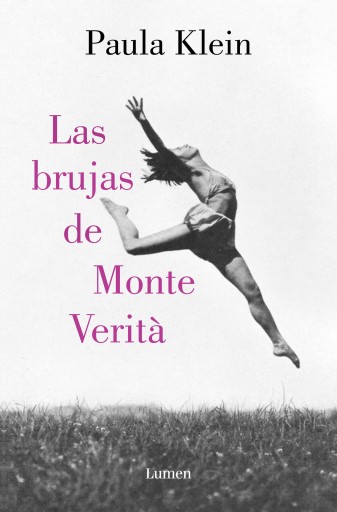
Some prizes arrive like a revelation; others confirm what you already sensed. The 2026 Premio Lumen de Novela awarded to Argentine writer Paula Klein for El amor inventado feels more like the latter — not because Klein was a safe bet, but because anyone who has read Las brujas de Monte Verità, her previous novel, already knows we're dealing with a writer who builds worlds that hurt in very specific ways.
What exactly is "invented love"? I don't know yet — the book won't arrive until autumn — but the title is already a statement of intent. Because all loves are, in some measure, invented. We make them up as we go, narrate them backwards, edit them in real time. Klein, who has spent years working the slippery terrain between desire and its representation, seems the ideal writer to explore that gap.
Paula Klein was born in Buenos Aires. That matters — not as a biographical detail but as literary context: Argentina has produced some of the strangest and most demanding fiction of the 20th and 21st centuries, from Cortázar to Pizarnik, from Puig to a tradition of destabilizing, genre-resistant writing that Klein inhabits without reverence. She doesn't write like someone who learned the tradition in order to transcend it — she writes like someone who lives inside it and disorders it from within.
The Premio Lumen has been awarded since 2006 in Spain. Not the Nobel, obviously. But in the Spanish-language literary circuit it carries a particular gravity: it has passed through the hands of writers who don't always make the bestseller lists but who do end up, over time, on the shelves of people who read seriously.
What I'm wondering — and I'm wondering it for you too — is what "inventing" love means in 2026. At a moment when dating apps use algorithms to simulate human connection, when chatbots sustain conversations that feel more intimate than many real exchanges, Klein arrives to investigate the territory through fiction. Which is, in the end, the most honest place to do it.
I don't want to say too much before I've read it. But I do want to say this: books that ask how we love — not just who we fall for, but the mechanism itself, the architecture of feeling — are the ones that end up being the most urgent. And if Las brujas de Monte Verità is the kind of writing Klein is capable of, El amor inventado already has my full attention.
Also on our shelves